SAC IT2050005 - Boschi della Fagiana
SAC IT2050005 - BOSCHI DELLA FAGIANA
PROTECTED AREA MANAGEMENT AUTHORITY: Lombardy Ticino Valley Park
OTHER PROTECTED AREAS IN THE NATURA 2000 SITE: Lombardy Ticino Valley Natural Park, SPA IT2080301 'Boschi del Ticino'
TOTAL AREA OF THE NATURA 2000 SITE: 1.044 hectares
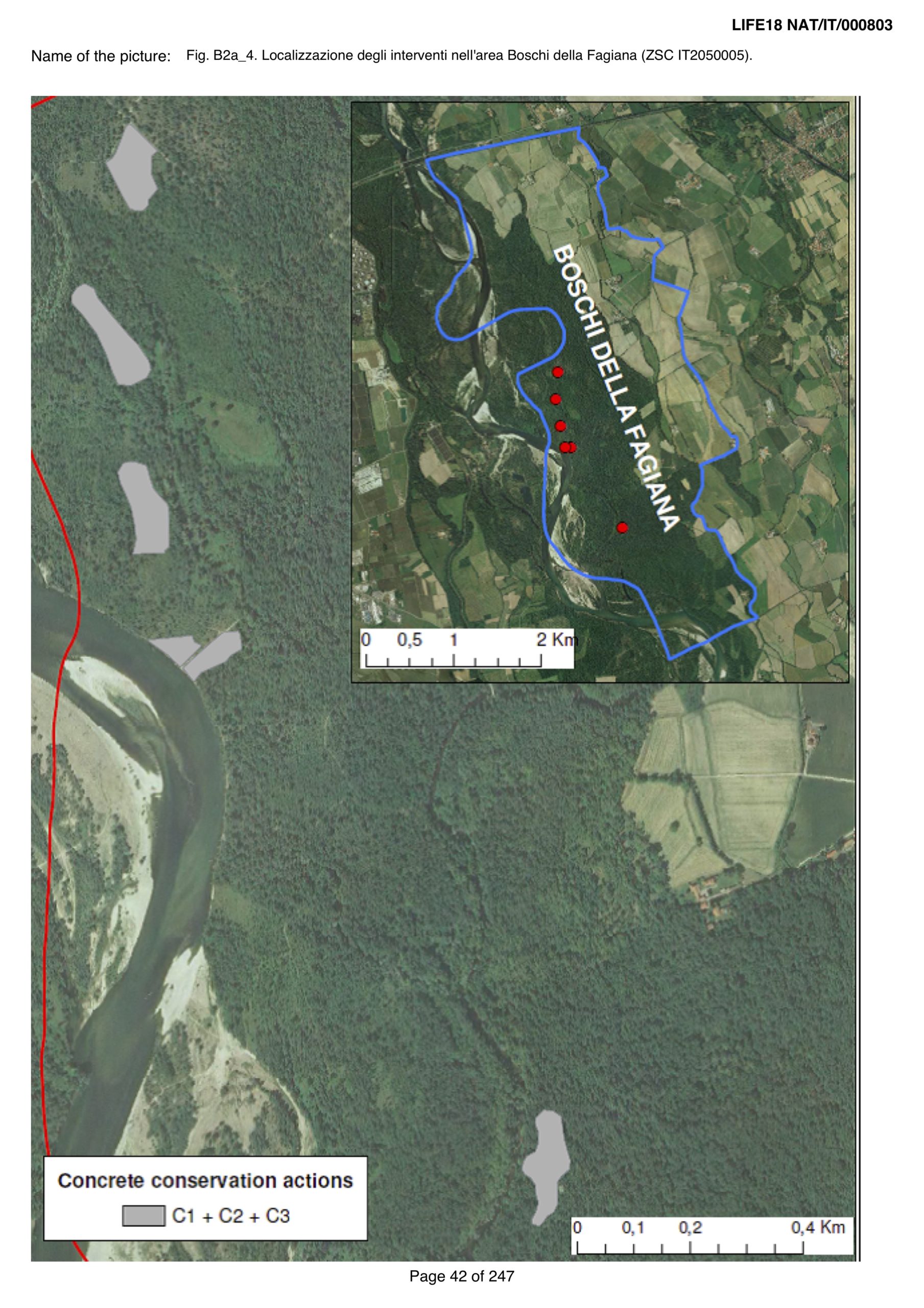
HABITAT AREA AFFECTED BY INTERVENTION: overall, the areas of habitat 6210 affected by the interventions amount to 1.35 hectares.
MUNICIPALITIES AFFECTED BY THE PROJECT INTERVENTIONS: Pontevecchio di Magenta (MI)
USES OF THE AREA: most of the SPA is located within private property (65%); a portion is public and belongs to the Park Authority (35%). Land cover is represented by the following categories: 40% deciduous broadleaf forests, 33% extensive cereal crops, 10% inland water bodies, 6% artificial forests, 4% urbanized/infrastructure, 3% dry grasslands, 2% heaths and shrublands, 1% wetlands, 1% improved grasslands.
DESCRIPTION: most of the SAC is occupied by environments with a good degree of naturalness and good continuity. The habitats are quite varied and include several environmental typologies typical of the mid-upper Lombardy plain: various types of forests, shrublands and grasslands, and wetlands.
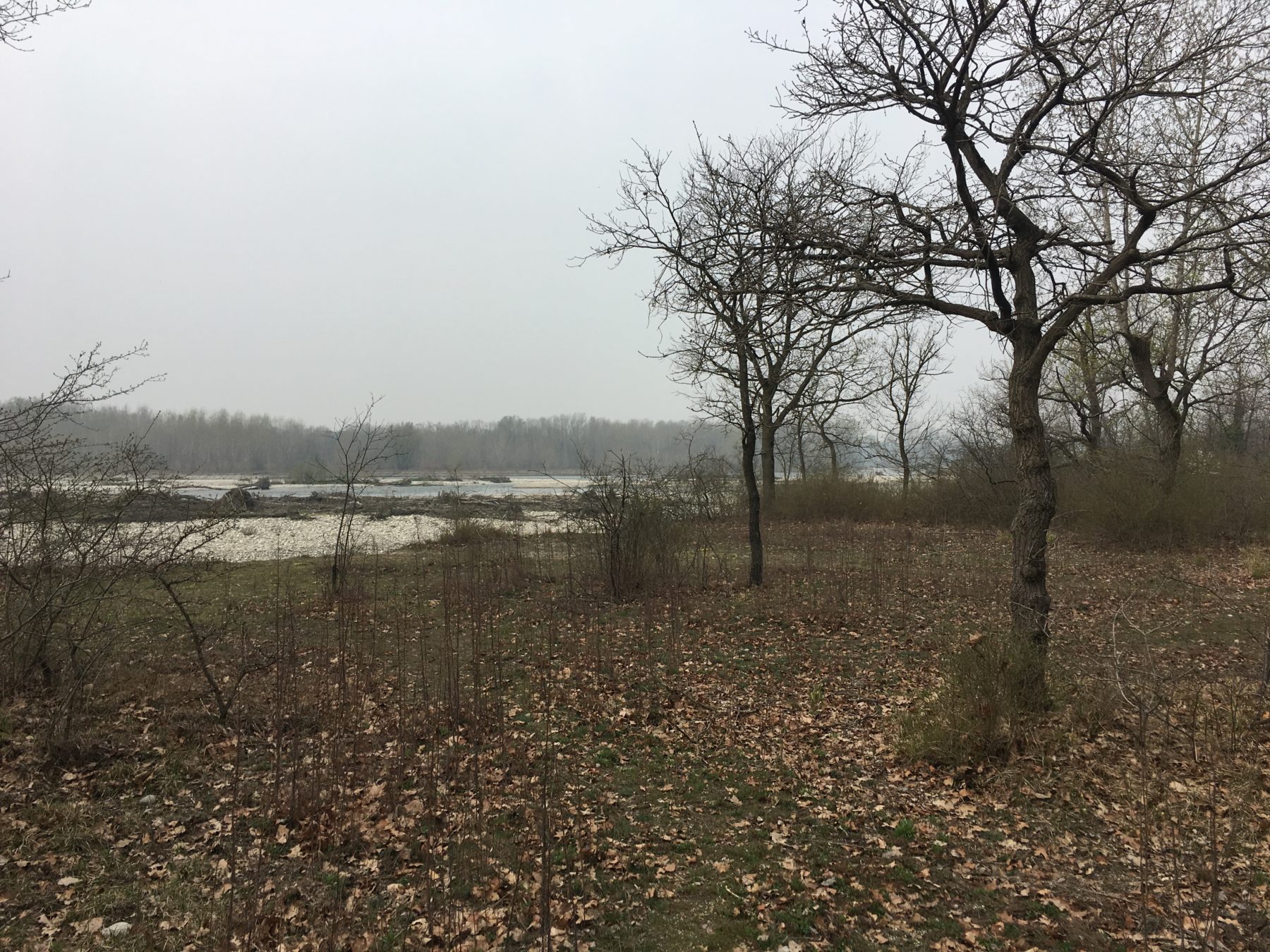
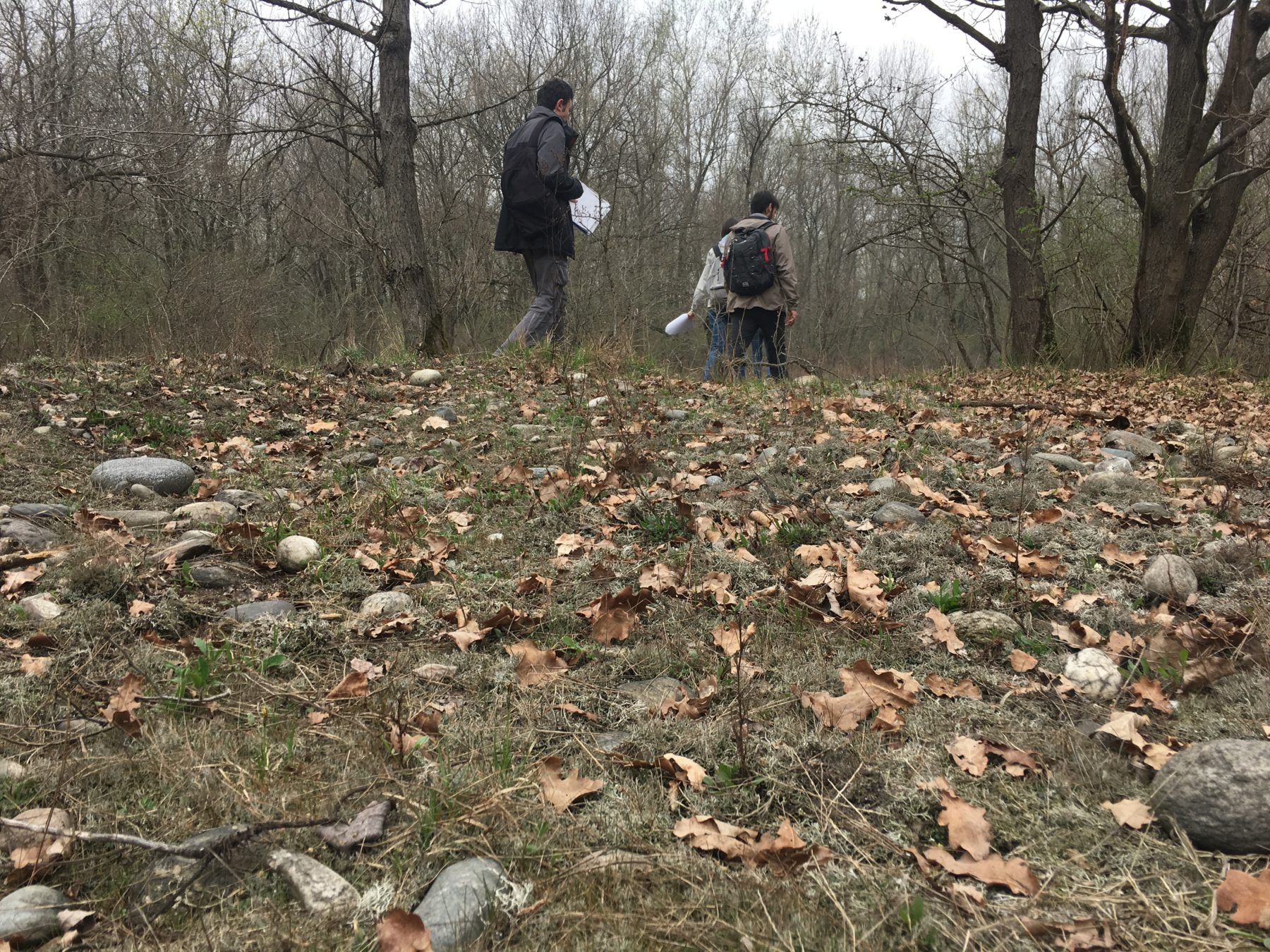
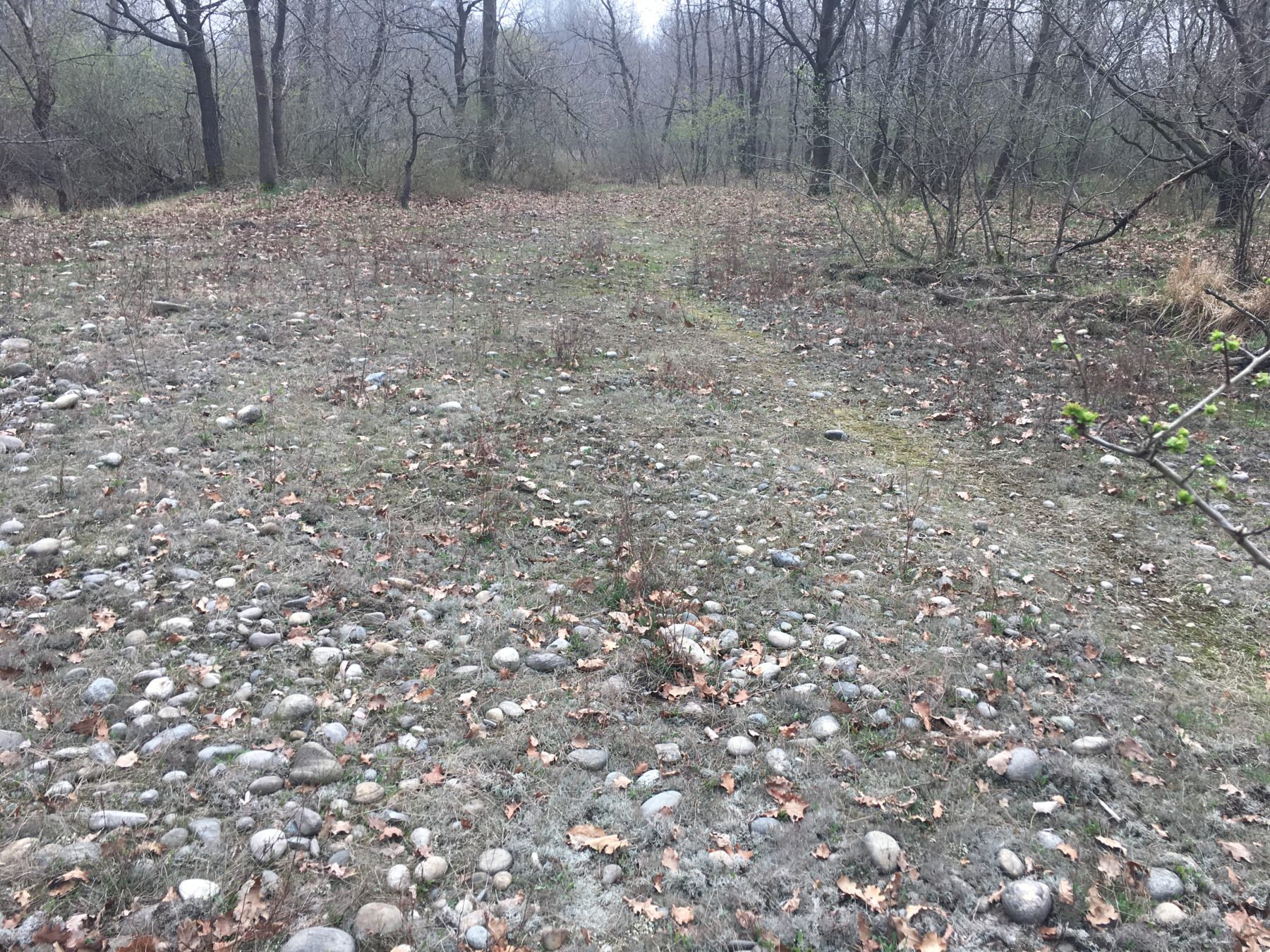
Of particular interest is the presence of xerophilous therophytic meadows hosting cryptogamic biological crusts rich in lichens, attributed to Habitat 6210*, a priority here due to the confirmed presence of several orchids (Orchis morio, Orchis tridentata, Orchis ustulata).
Various species of birds, mammals, amphibians, fish, insects, and crustaceans of Community interest (Birds Directive, Habitats Directive) are present.
CONSERVATION STATUS: the conservation status of the various habitats is variable. The oak, hornbeam, and elm forests, as well as the black alder and willow forests, relics of the ancient Po Valley forest vegetation, appear overall fairly well preserved and show good coverage and continuity. However, in several areas, communities dominated by invasive alien species (Ailanthus altissima, Prunus serotina, Robinia pseudoacacia) are establishing themselves, posing a threat to habitat conservation. The xerophilous meadows classified as habitat 6210 are also threatened by the invasion of native shrubs and woody plants and the negative impact of wild boars (Sus scrofa). In aquatic environments, species such as the coypu (Myocastor coypus) cause the greatest damage. Overall, the SAC appears to retain a good level of naturalness, as evidenced by the diversity of diurnal Lepidoptera and Odonata, which are good bioindicators of terrestrial and aquatic ecosystems, respectively.
IMPORTANCE OF THE PROJECT AREA FOR SPECIES AND BIODIVERSITY CONSERVATION: within the project site, 6210 possesses unique characteristics compared to similar habitats elsewhere in Italy or the rest of Europe. Their peculiarities include the siliceous substrate on which they grow and their phytogeographical location in a sub-Mediterranean-sub-Atlantic environment, which determines unique floristic compositions dominated by acidophilic species, species with a sub-Mediterranean-sub-Atlantic, Mediterranean, steppe, or mountainous distribution. Even in this habitat, the presence of biological crusts with lichens is important for biodiversity.
However, the presence of invasive woody species (Robinia psudoacacia, Prunus serotina, in particular) is quite serious, threatening the floristic integrity of the existing woodland and open habitats, including 6210, the subject of this project. Containment and mitigation measures are necessary, which, if well-designed, can yield positive long-term results, better than those achieved by managing forest habitats.
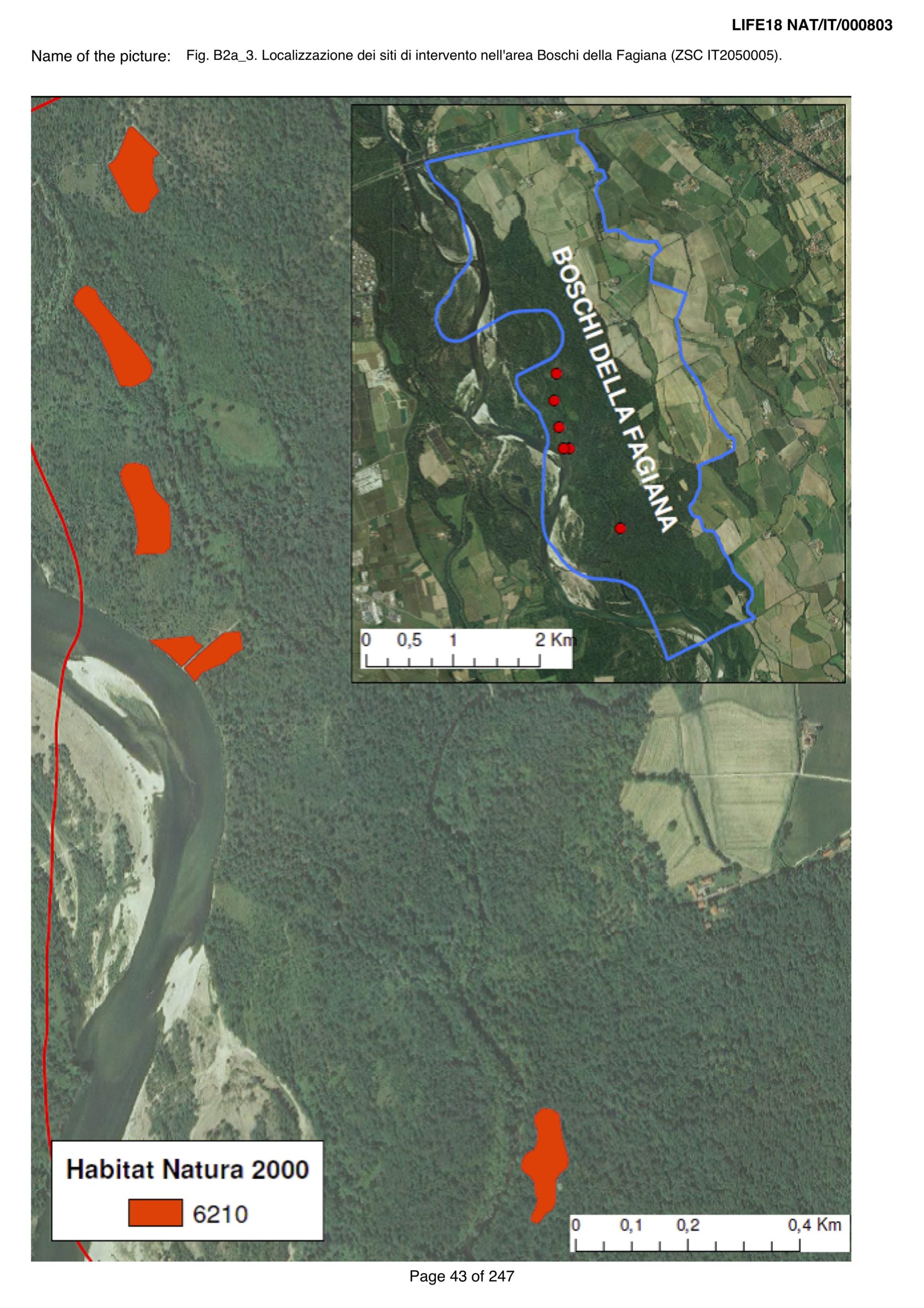
PLANNED ACTIONS: C1 = mowing of herbaceous plants with removal (30% of patches); Cutting of native woody plants, removal of stumps, and uprooting of younger individuals (30% of the patches); sod-cutting. C2 = cutting of invasive woody plants, removal of stumps, and uprooting of younger individuals (30% of the patches). C3 = floristic improvement - see fig. B2a_3
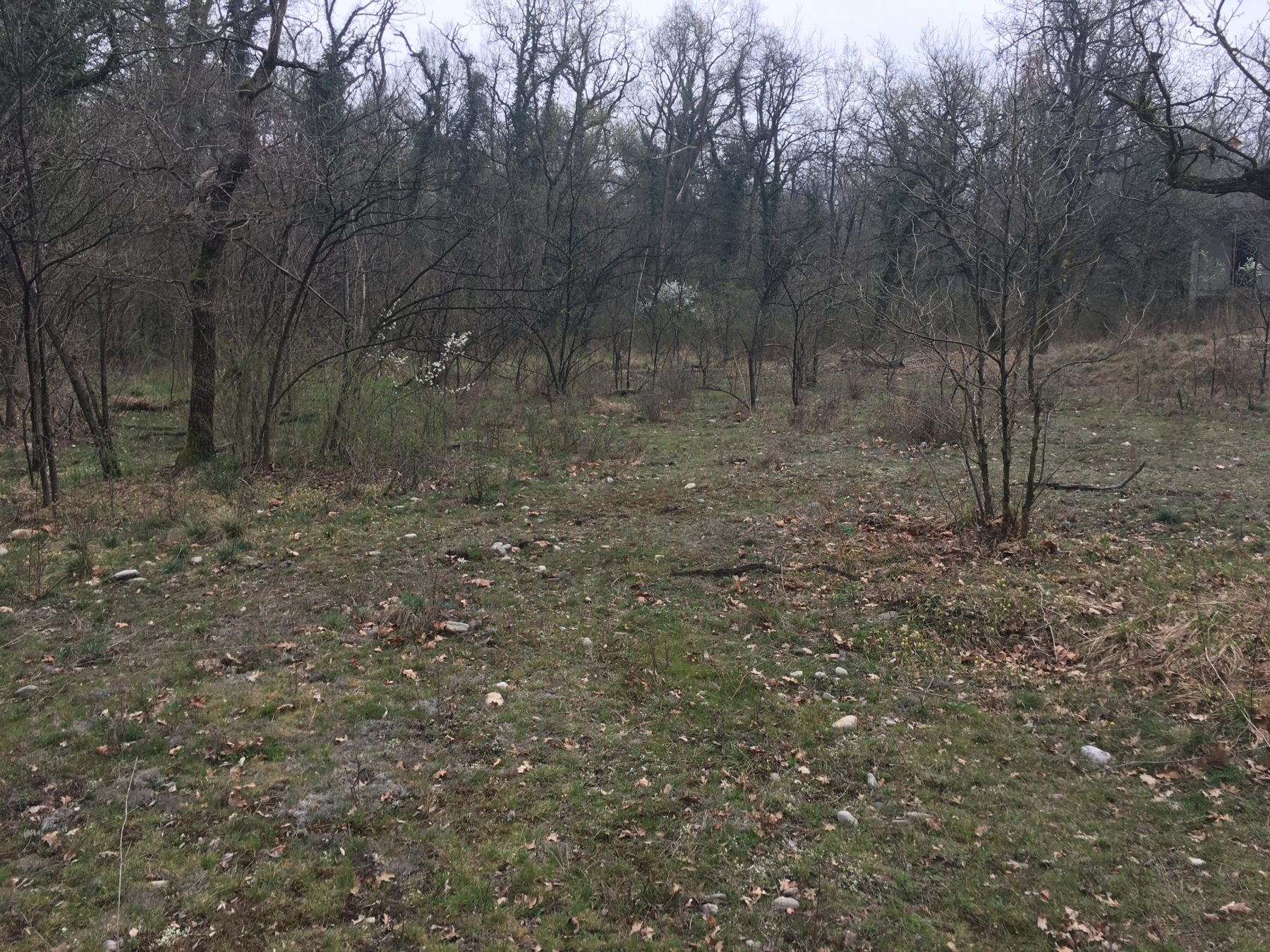
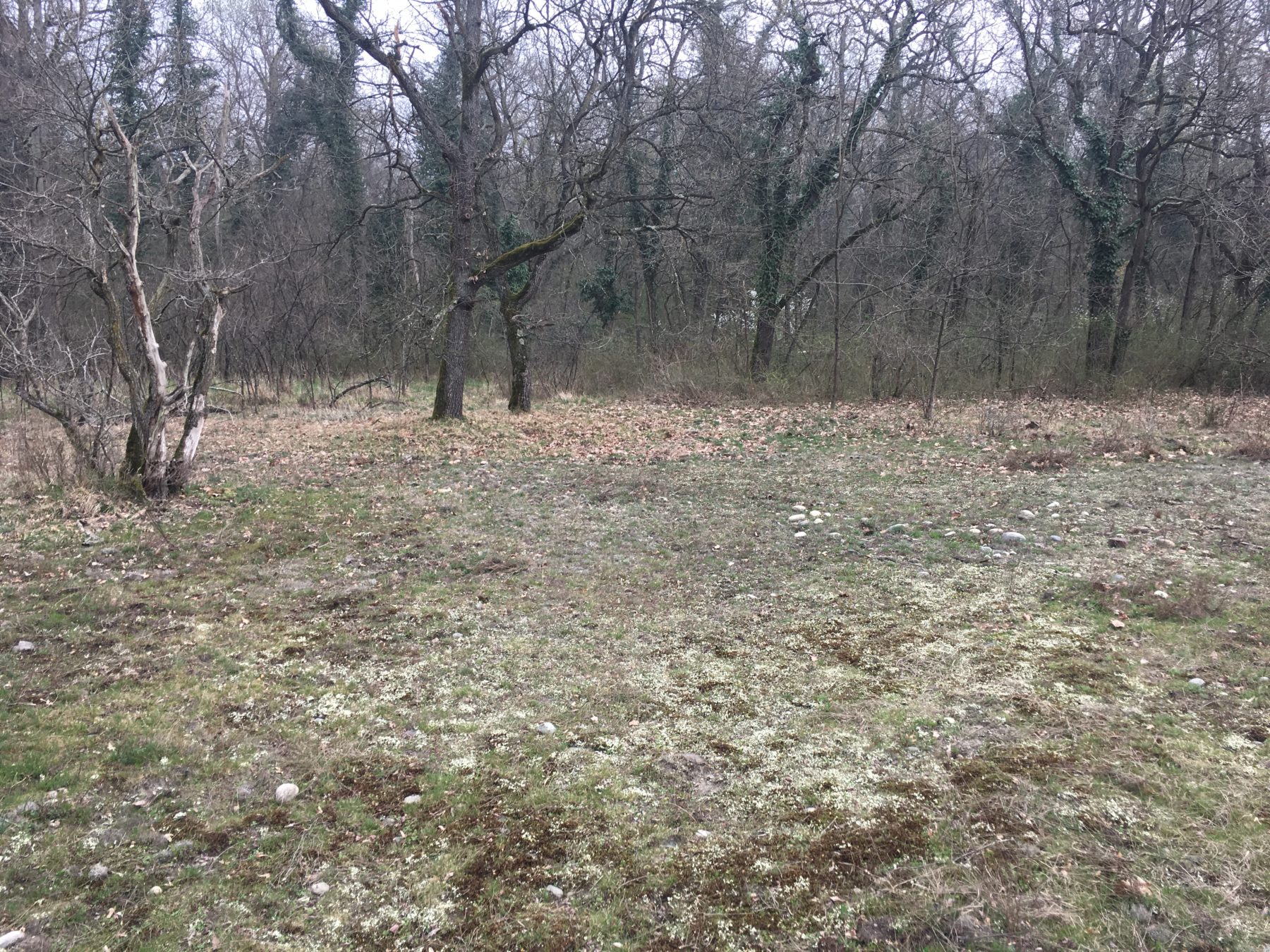
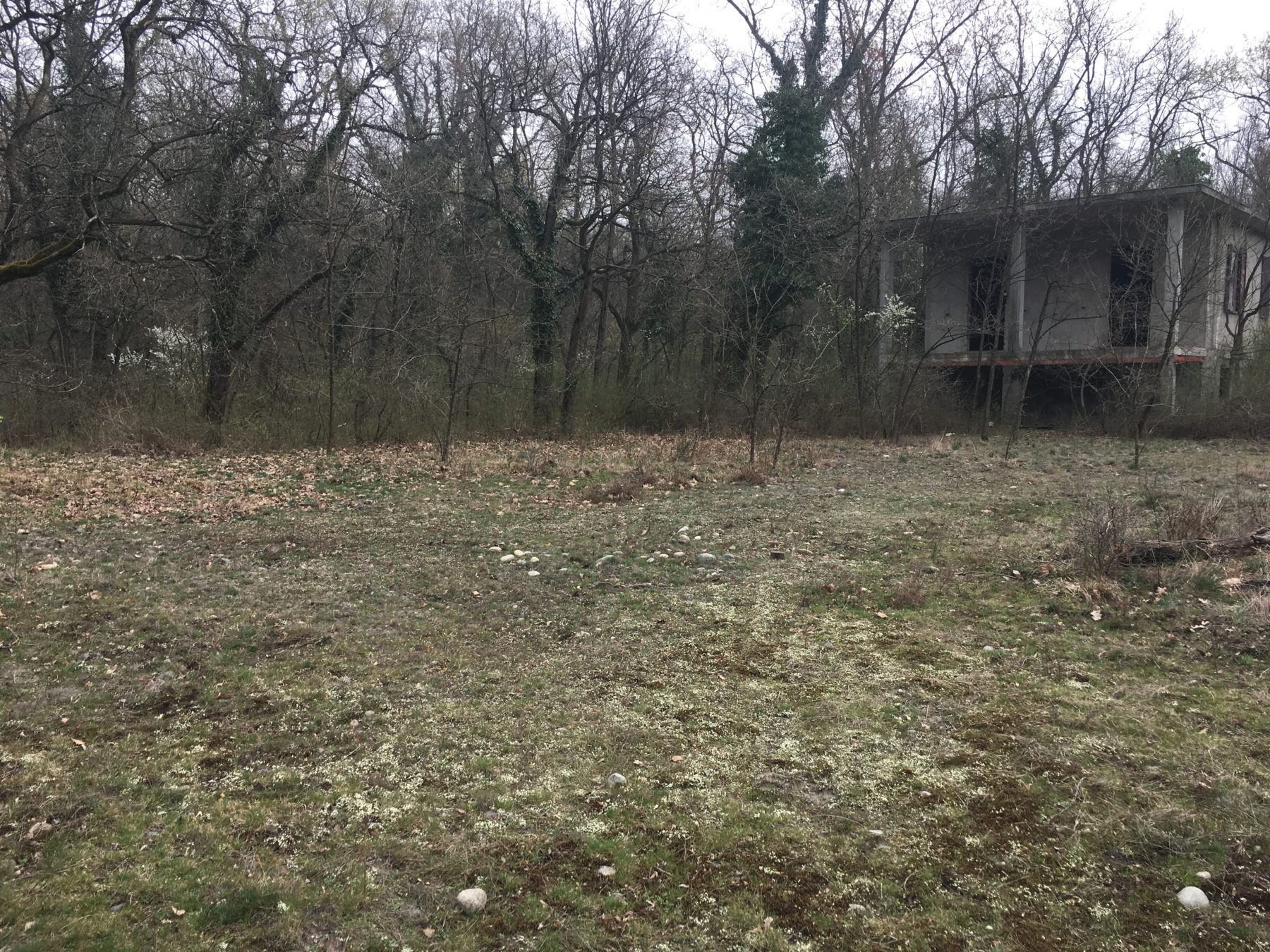
INTERVENTION SITES
LIFE18 NAT/IT/000803
The Drylands project is funded by the LIFE Programme of the European Union

Partners