SAC IT1120004 - Baraggia di Rovasenda
SAC IT1120004 - BARAGGIA DI ROVASENDA
PROTECTED AREA MANAGEMENT AUTHORITY: Management Authority of the Ticino and Lake Maggiore Protected Areas
OTHER PROTECTED AREAS IN THE NATURA 2000 SITE: Baragge Nature Reserve
TOTAL AREA OF THE NATURA 2000 SITE: 1,178 hectares
HABITAT AREA AFFECTED BY INTERVENTION:
-
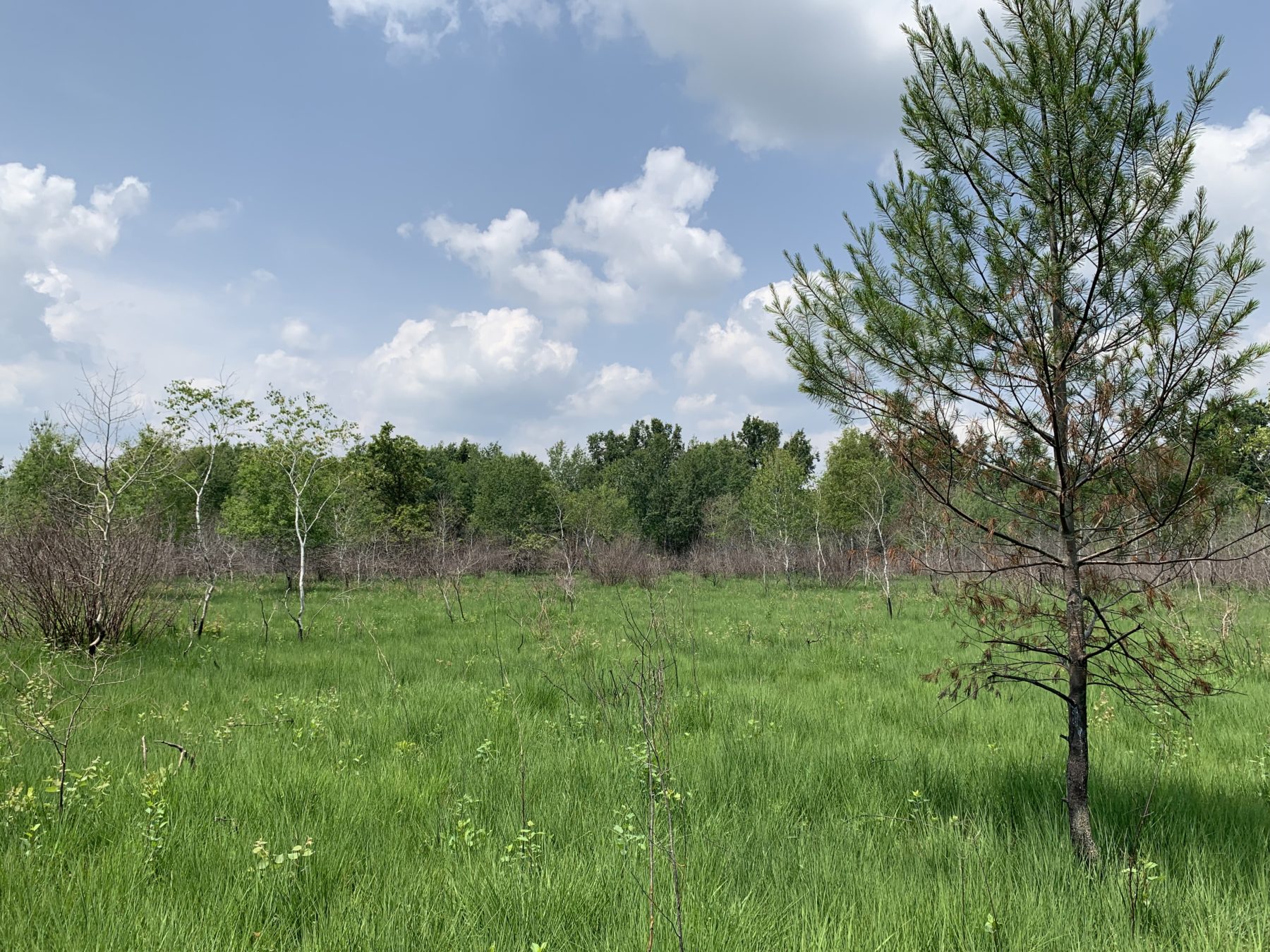
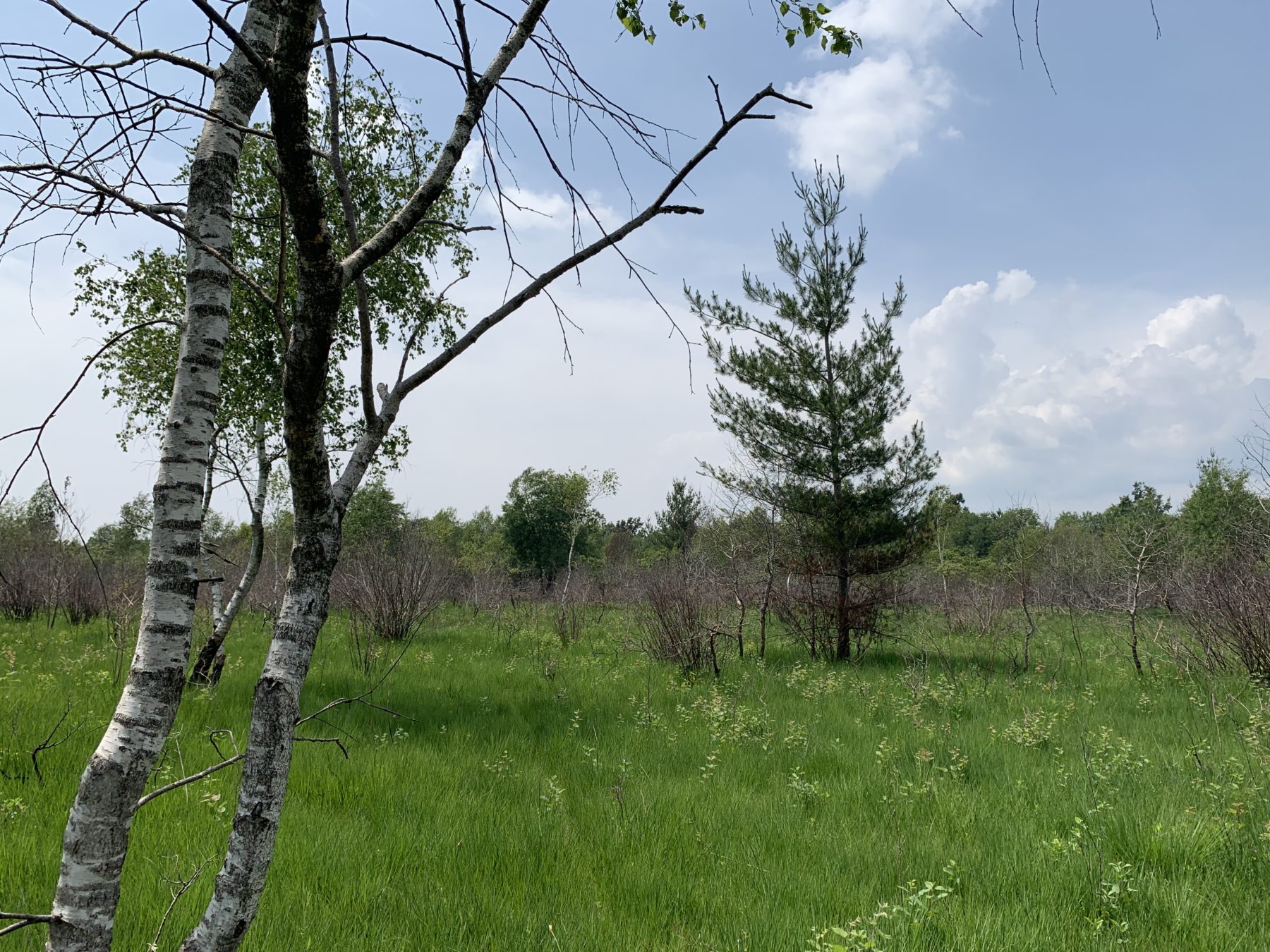
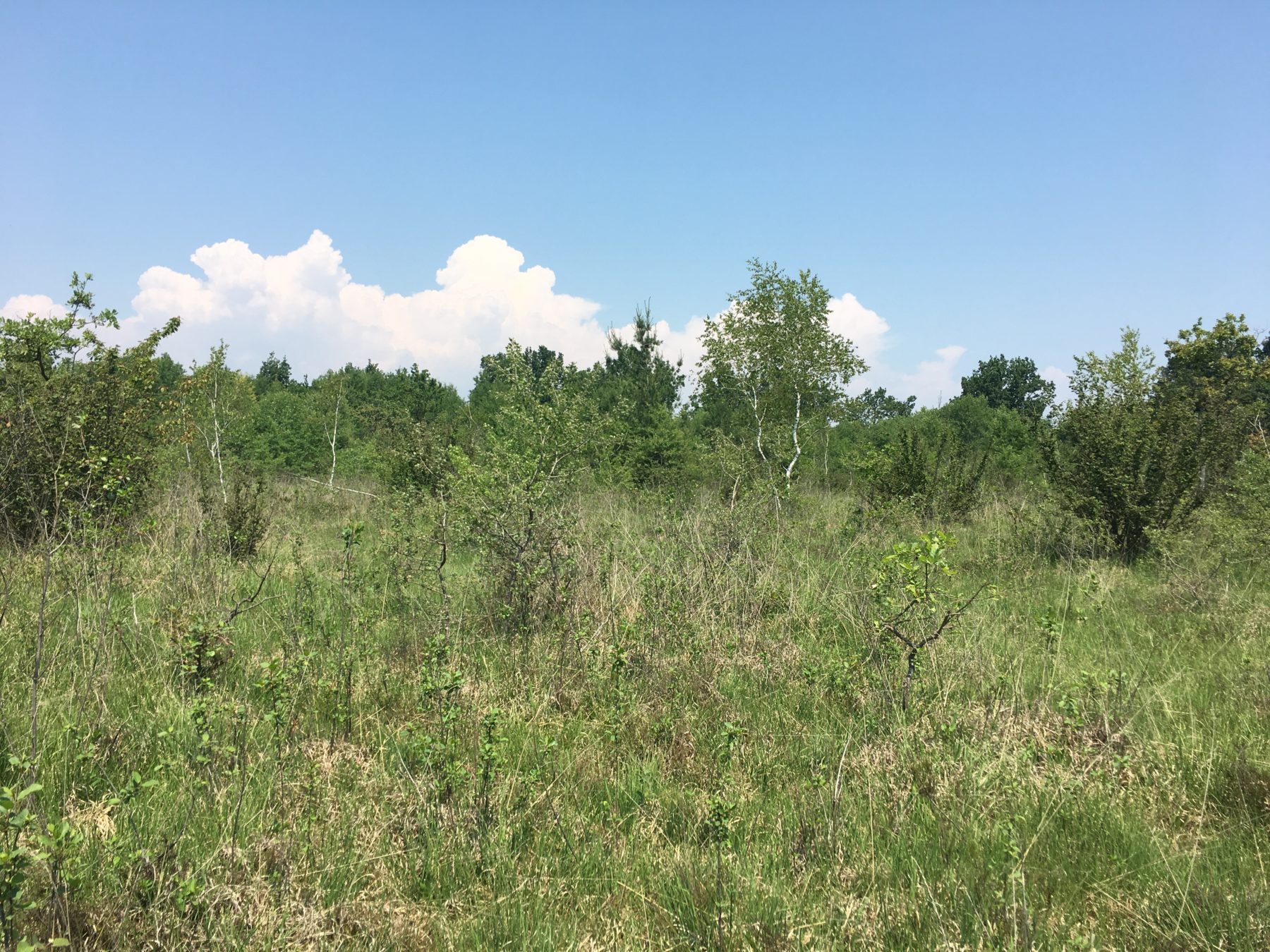
- habitat 2330: 12 hectares
MUNICIPALITIES AFFECTED BY THE PROJECT INTERVENTIONS: Lenta (VC)
USES OF THE AREA: part of the SAC is privately owned, part is public; a significant portion belongs to the military. Within the SAC, part of the area is occupied by semi-natural or natural environments, while part is occupied by human-developed areas.
DESCRIPTION: the habitats within the SAC include various types of woodland and shrubland. The woodlands are dominated by oak, birch, and aspen, except near watercourses, where black alder dominates. Among the shrublands, the most widespread is Calluna vulgaris, often degraded to grassland due to intensive grazing ("baraggia").
Plant species of Community interest include Eleocharis carniolica, Isoetes malinverniana and Gladiolus palustris. Among the animal species, 20 are known mammals, and 59 are of Community interest under the Birds Directive. The entomofauna is quite interesting, including 79 ground beetles, 235 weevils, 51 diurnal lepidopterans, and 18 odonata. Insect species of Community interest include Sympecma paedisca, Euphydryas aurinia, Coenonympha oedippus and Lycaena dispar. Many animal and vascular species (Juncus tenageja, Iris sibirica, Gentiana pneumonanthe, Gladiolus imbricatus) present in the SAC are of conservation and biogeographical interest, despite not being listed in the Annexes of the Habitats and Birds Directives.
CONSERVATION STATUS: the conservation status of various habitats is partially compromised due to lack of management. With the cessation of military exercises, which had been essential for preserving the natural environment, the heathland is in many cases undergoing progressive degradation. In several areas, communities dominated by invasive alien tree species (Ailanthus altissima, Prunus serotina, Robinia pseudoacacia) are establishing themselves, posing a threat to habitat conservation. In other areas, overgrazing has resulted in at least partial loss of habitat 4030 in the facies dominated by Calluna vulgaris, which has degraded and converted into a grass-dominated pasture, easily infested by invasive alien herbaceous species. Overall, the heathland is in poor condition.
IMPORTANCE OF THE PROJECT AREA FOR SPECIES AND BIODIVERSITY CONSERVATION: the site falls within the larger project area, where conservation of target habitats must be strengthened. This will create an initial basic system (which serves as a core area for biodiversity associated with the target habitats), phytogeographically homogeneous and well-preserved, shared between the two administrative regions involved and gravitating around the three main waterways (Ticino, Sesia, Po) in the area, which serve as important ecological corridors. Although this site is not close to the aforementioned watercourses, it is characterized by a dense network of streams and creeks, which serve equally important ecological corridors.
The site represents an important stretch of piedmont heathland, where large tracts, due to abandonment, are being colonized by birch, aspen, and buckthorn, threatening its biodiversity, unique in this portion of the Po Valley, as further detailed below in the description of the target habitats. Here, in fact, the heathland possesses unique characteristics in terms of floral composition and phytogeographical characteristics compared to the same habitat in other parts of Italy or Central Europe, largely due to its southern Alpine location (Giacomini, 1958a,b). These heathlands are, in fact, disjunct with respect to the main distribution area of European heathlands and lie at the ecological limits of Calluna vulgaris.
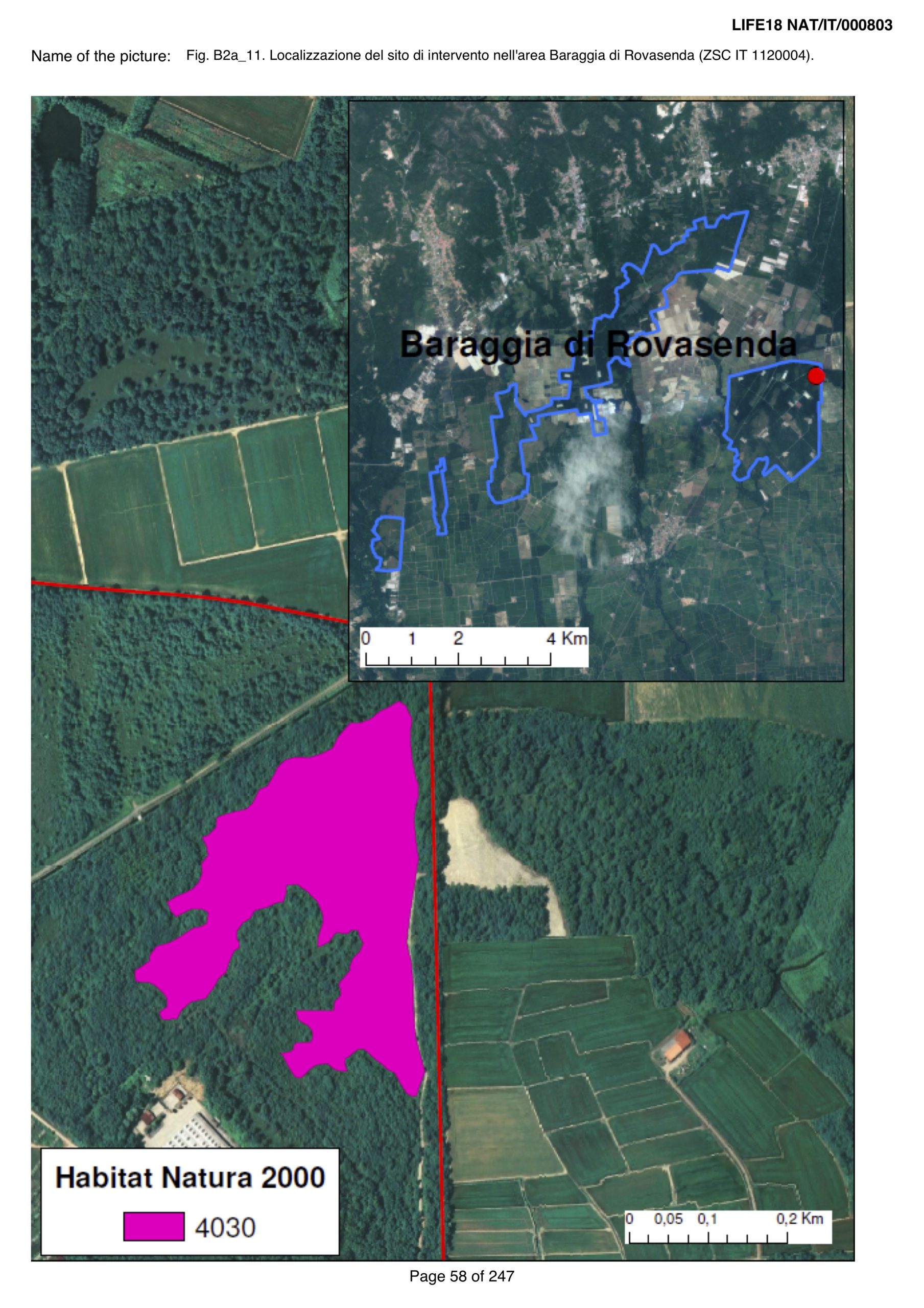
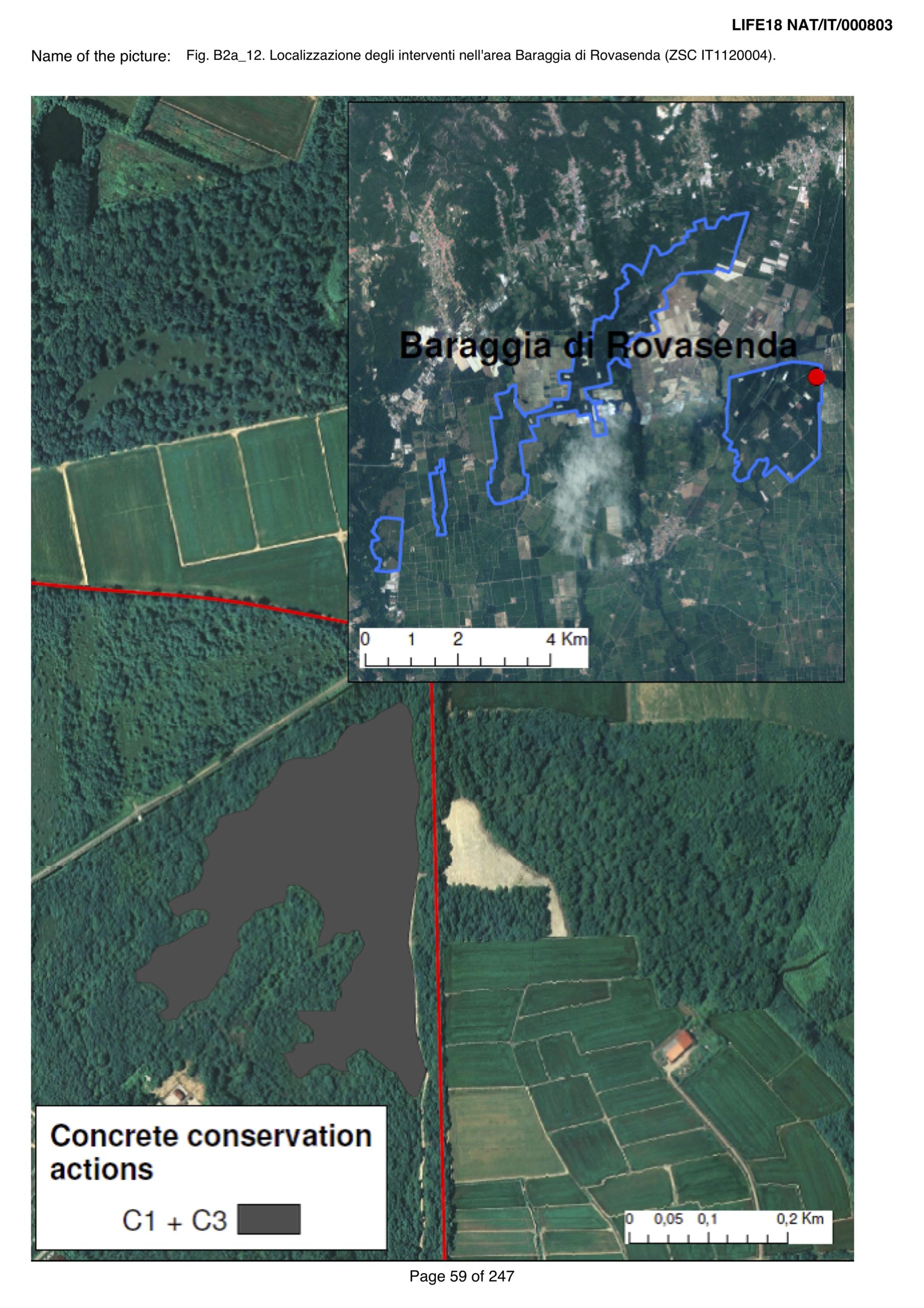
PLANNED ACTIONS: C1 + C3 = mowing of grass and removal of native woody plants; cutting of native woody plants; improvement of flora.
INTERVENTION SITES
LIFE18 NAT/IT/000803
The Drylands project is funded by the LIFE Programme of the European Union

Partners