SAC IT1120010 - Lame del Sesia
SAC IT1120010 - LAME DEL SESIA
PROTECTED AREA MANAGEMENT AUTHORITY: Management Body of the Protected Areas of Ticino and Lake Maggiore
OTHER PROTECTED AREAS IN THE NATURA 2000 SITE: Lame del Sesia Natural Park
TOTAL AREA OF THE NATURA 2000 SITE: 934,000 hectares
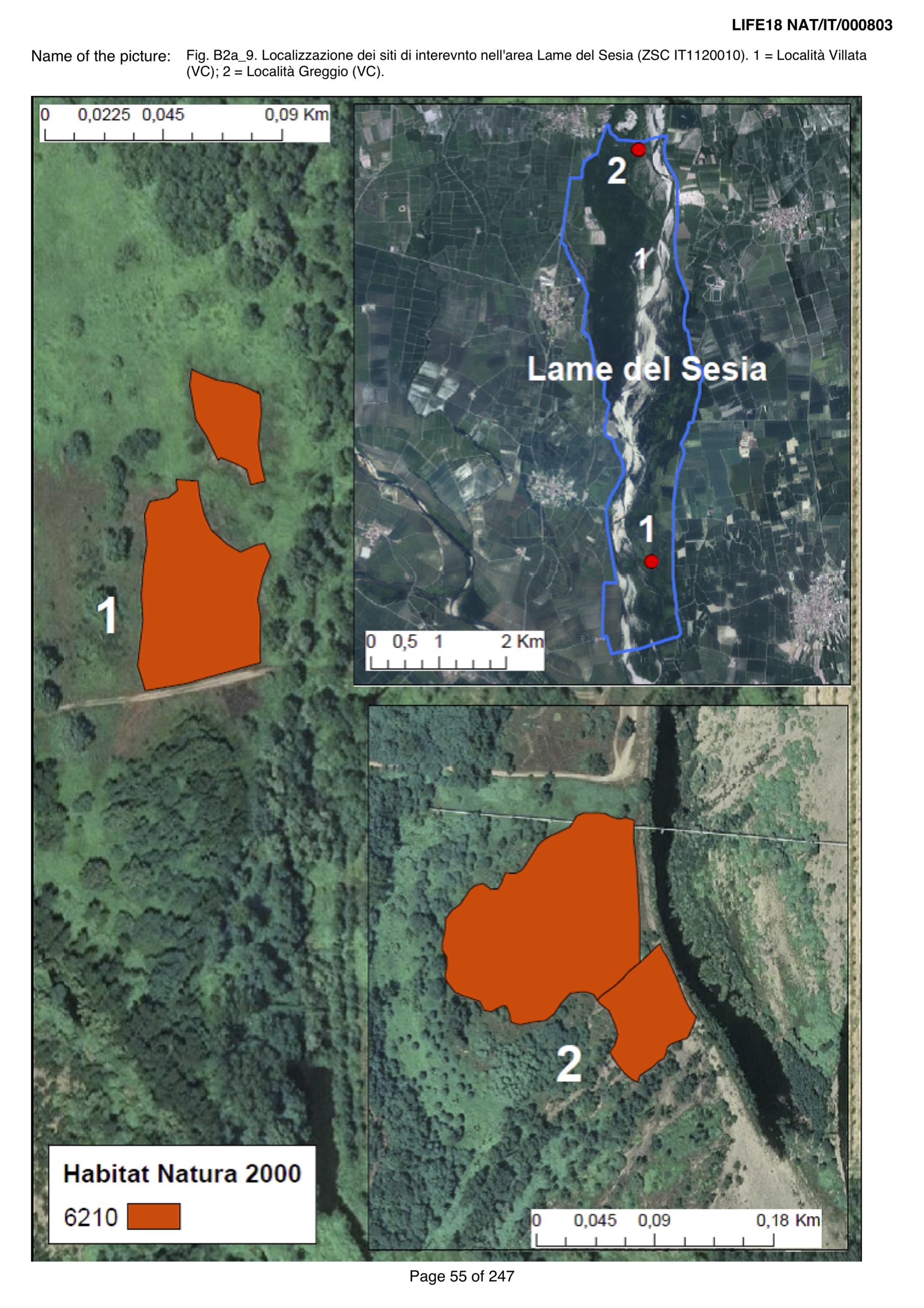
HABITAT AREA AFFECTED BY INTERVENTION: 2.39 hectares, of which 2.31 are already present and 0.08 hectares newly created (habitat 6210)
MUNICIPALITIES AFFECTED BY THE PROJECT INTERVENTIONS: Greggio and Villata (VC)
USES OF THE AREA: part of the SAC is located within private property (39%), while part is public (61%). Within the SAC, part of the area is occupied by semi-natural or natural environments, while part is occupied by human-developed areas.
DESCRIPTION: the habitats within the SAC are quite varied and include diverse environmental typologies: various types of forests, shrublands and grasslands, and wetlands. The hydrographic network is very rich and includes numerous irrigation canals, lateral branches of the Sesia River—whose torrential regime gives rise to numerous anastomoses—and oxbow lakes (known as "lame").
Over 600 species of vascular plants have been recorded within the SAC, particularly notable among which are Isoetes malinverniana, Matteuccia struthiopteris, Rumex hydrolapathum, Nasturtium microphyllum, Plantago arenaria, Caltha palustris, Carex repens, and Neotinea tridentata. Among the animal species, 20 mammals are known, 180 birds—47 of which are of Community interest under the Birds Directive—of which at least a third are nesting (the Oldenico islet is home to one of the largest heronries in the Po Valley), 4 amphibians (including Triturus carnifex, of Community interest), and 11 fish (including 3 of Community interest: Barbus plebejus, Cobitis bilineata and Telestes muticellus). The entomofauna is also very rich, including, among others, 60 ground beetles, 50 lepidopterans, 27 orthopterans, and 20 odonata; among the insect species of Community interest are Cerambyx cerdo, Lucanus cervus, Euplagia quadripunctata, Zerynthia polyxena and Lycaena dispar. A lichen species of Community interest was recently discovered: Cladonia portentosa (Gheza & Assini in Ravera et al. 2016). Many animal, vascular (Sindaco et al. 2008), and lichen species (pers. obs.) are of conservation and biogeographical interest, despite not being listed in the Annexes of the Habitats and Birds Directives.
CONSERVATION STATUS: the conservation status of the various habitats is variable. In several areas, communes dominated by invasive alien tree species (Ailanthus altissima, Prunus serotina, Robinia pseudoacacia) or shrub species (Reynoutria japonica, Amorpha fruticosa) are emerging, posing a threat to the conservation of most habitats. The most pioneering and xerophilous habitats – 6210 – are threatened not only by exotic plant species but also by the invasion of native shrubs and woody plants. In aquatic environments, species such as the Louisiana red crayfish (Procambarus clarckii) and the nutria (Myocastor coypus) cause the greatest damage, along with pollution entering the drainage network from cultivated land.
IMPORTANCE OF THE PROJECT AREA FOR SPECIES AND BIODIVERSITY CONSERVATION: the site is highly natural (only 22% of its surface area is occupied by urban and agricultural settlements), characterized by paleograves of the Sesia River and vegetation affected by the river's flooding. Of considerable scientific interest is the mosaic of vegetation (particularly open grassland vegetation) resulting from past and present river dynamics, highlighting the need for a dynamic approach to their management that preserves the process of their formation and the different facets of the habitat (pioneering, mature, and evolved aspects), to ensure maximum biodiversity and functionality, and maximum conservation value.
This site generally presents a great variety and continuity of habitats, corresponding to an even greater richness and diversity of species, both animal and plant.
The proximity to the Sesia River ensures its function as an ecological corridor for the transport of propagules of species typical of the project's target habitats (6210).
At the project site, 6210 has unique characteristics compared to similar habitats in other parts of Italy or the rest of Europe. The peculiarities of habitat 6210 in the project area concern the siliceous substrate on which they grow and their phytogeographical location in a sub-Mediterranean-sub-Atlantic environment, which determines unique floristic compositions dominated by acidophilic species of the Festuca and Koeleria genera, accompanied by Carex caryophyllea, Dianthus carthusianorum, Sanguisorba minor, Scabiosa columbaria, Fumana procumbens, Anthyllis vulneraria, Silene otites (among the species already cited in the EUR/28 manual), but also Armeria arenaria, Lychnis viscaria, Achillea tomentosa, Jasione montana, Teucrium chamaedrys, Tuberaria guttata, Saponaria ocymoides, Anarrhinum bellidifolium, Linaria pellisseriana, Chrysopogon gryllus, species with sub-Mediterranean-sub-Atlantic, Mediterranean, steppe, or mountainous distribution.
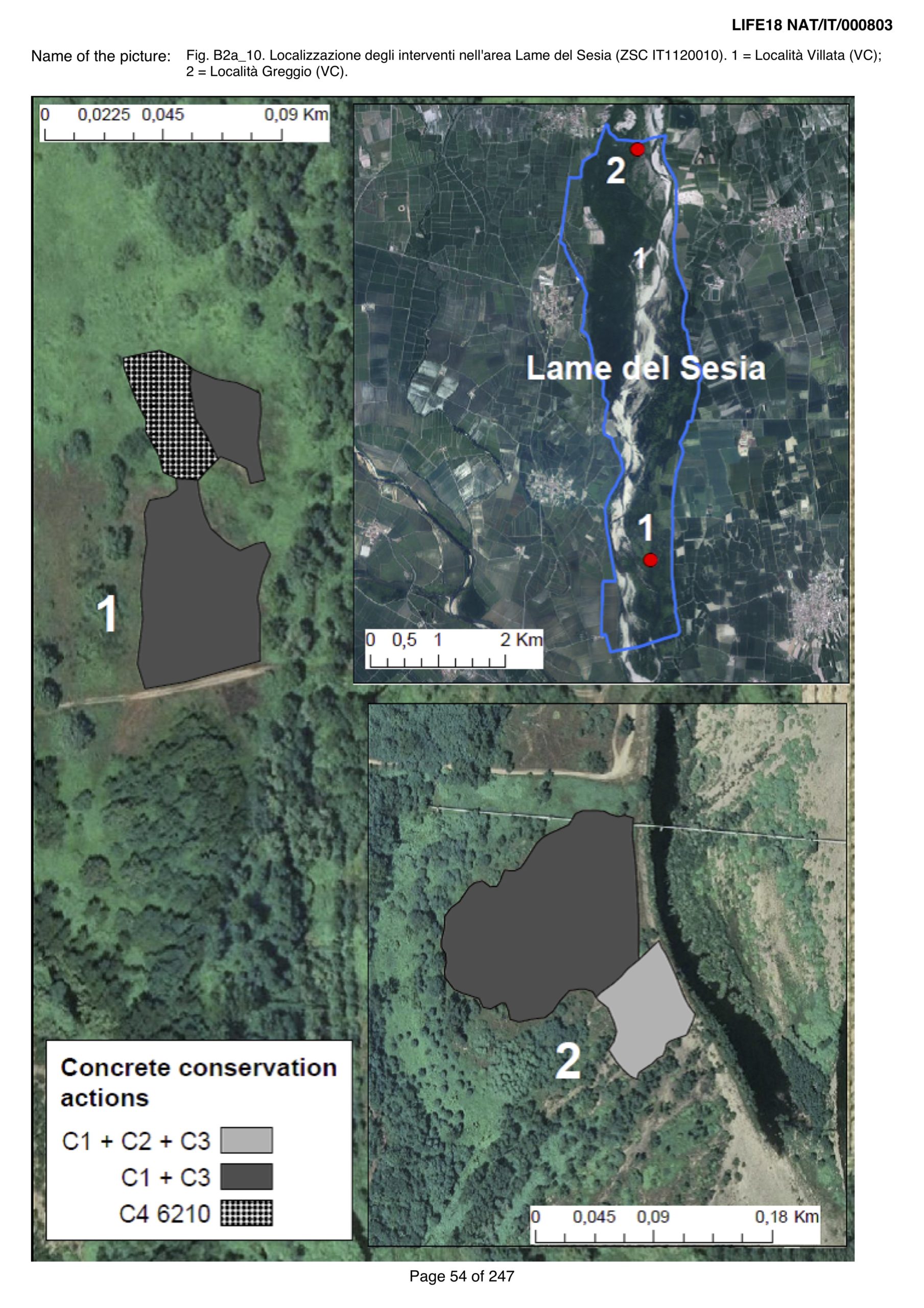
PLANNED ACTIONS: C1 + C2 + C3 = cutting of non-native woody plants; thinning (cutting + mowing of herbaceous plants); sod-cutting; floristic improvement. C1 + C3 = cutting of native woody plants; thinning (cutting + mowing of herbaceous plants) with removal; sod-cutting; floristic improvement. C4 6210 = creation of new habitat 6210.
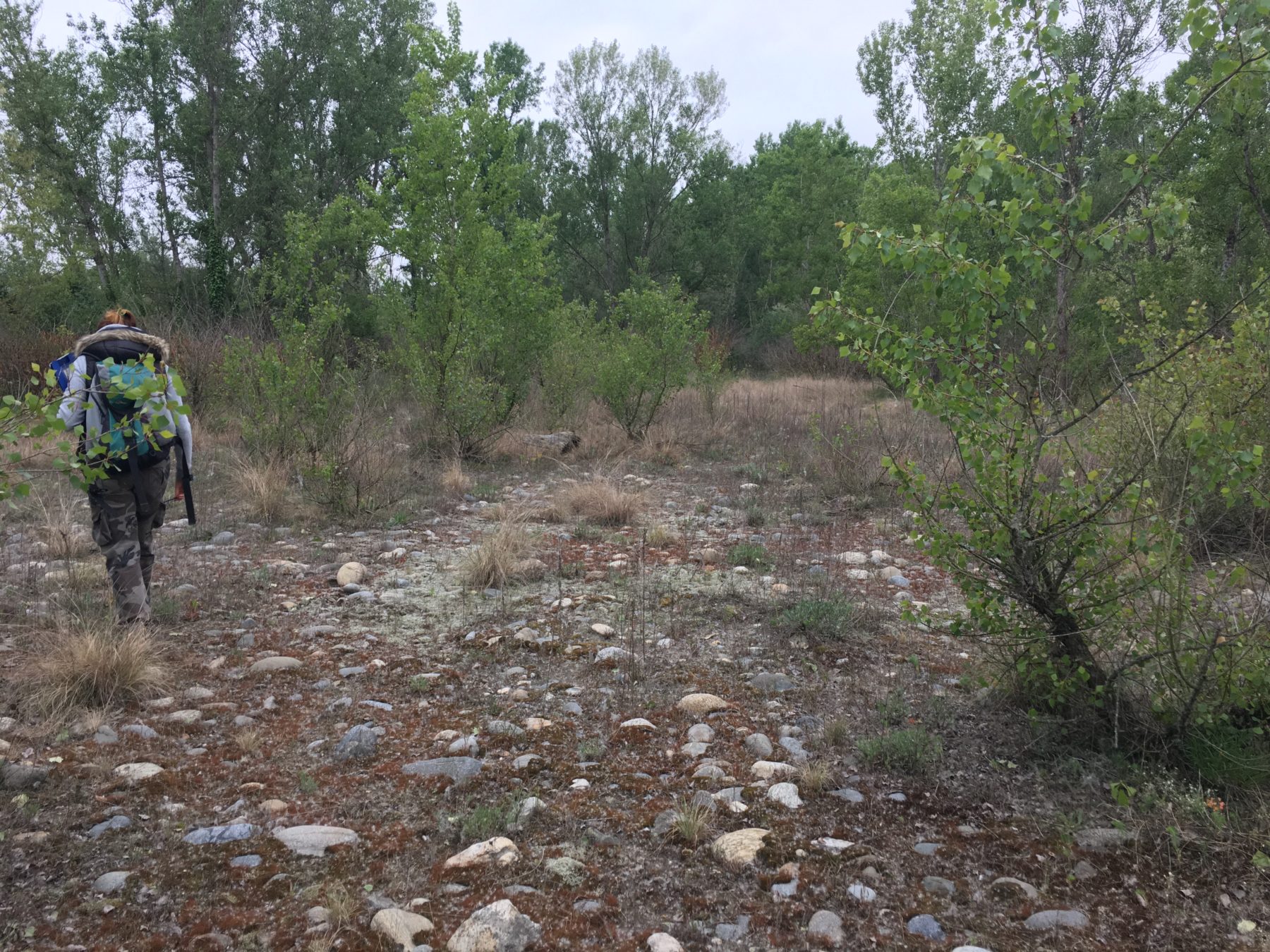
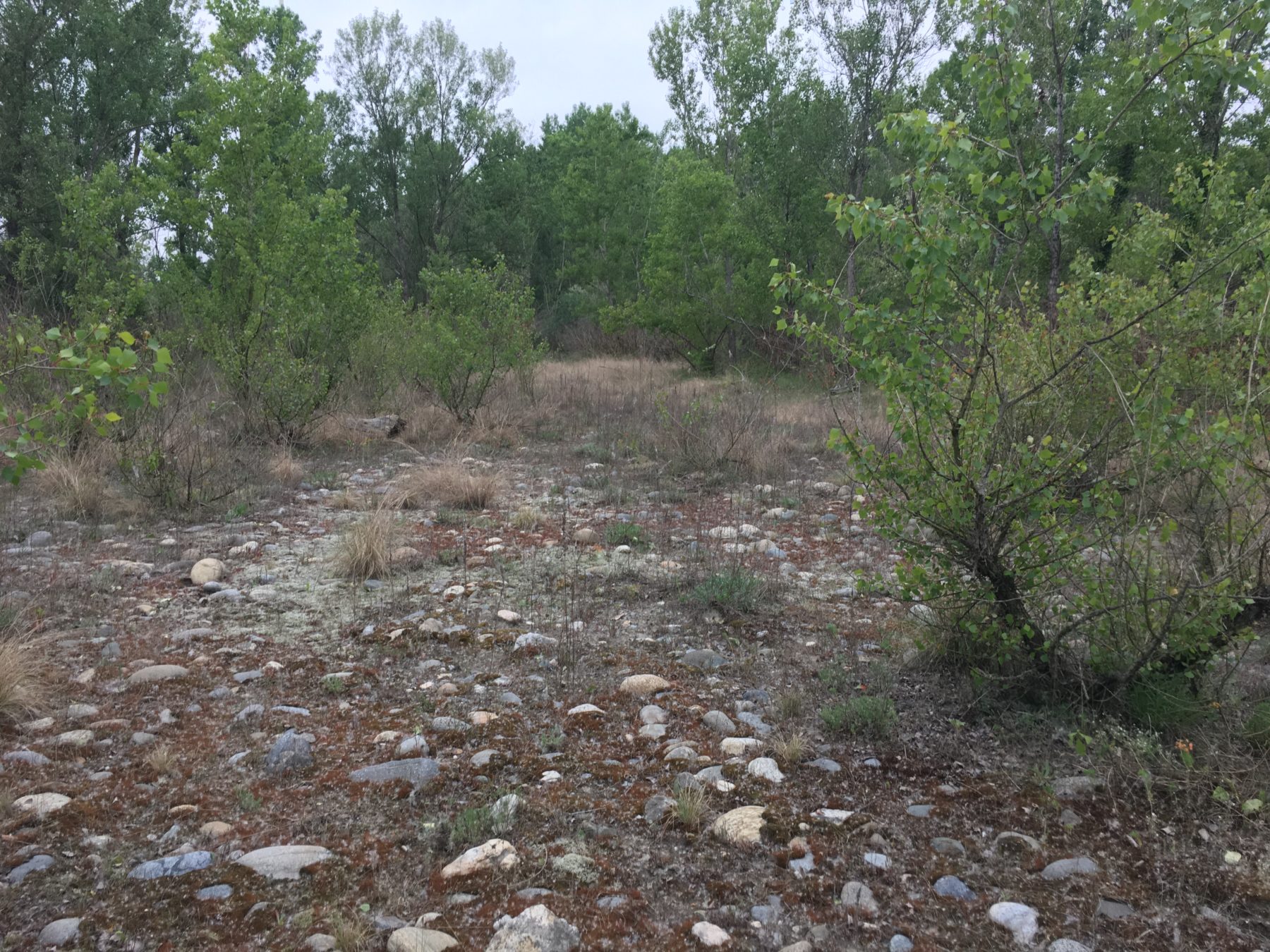
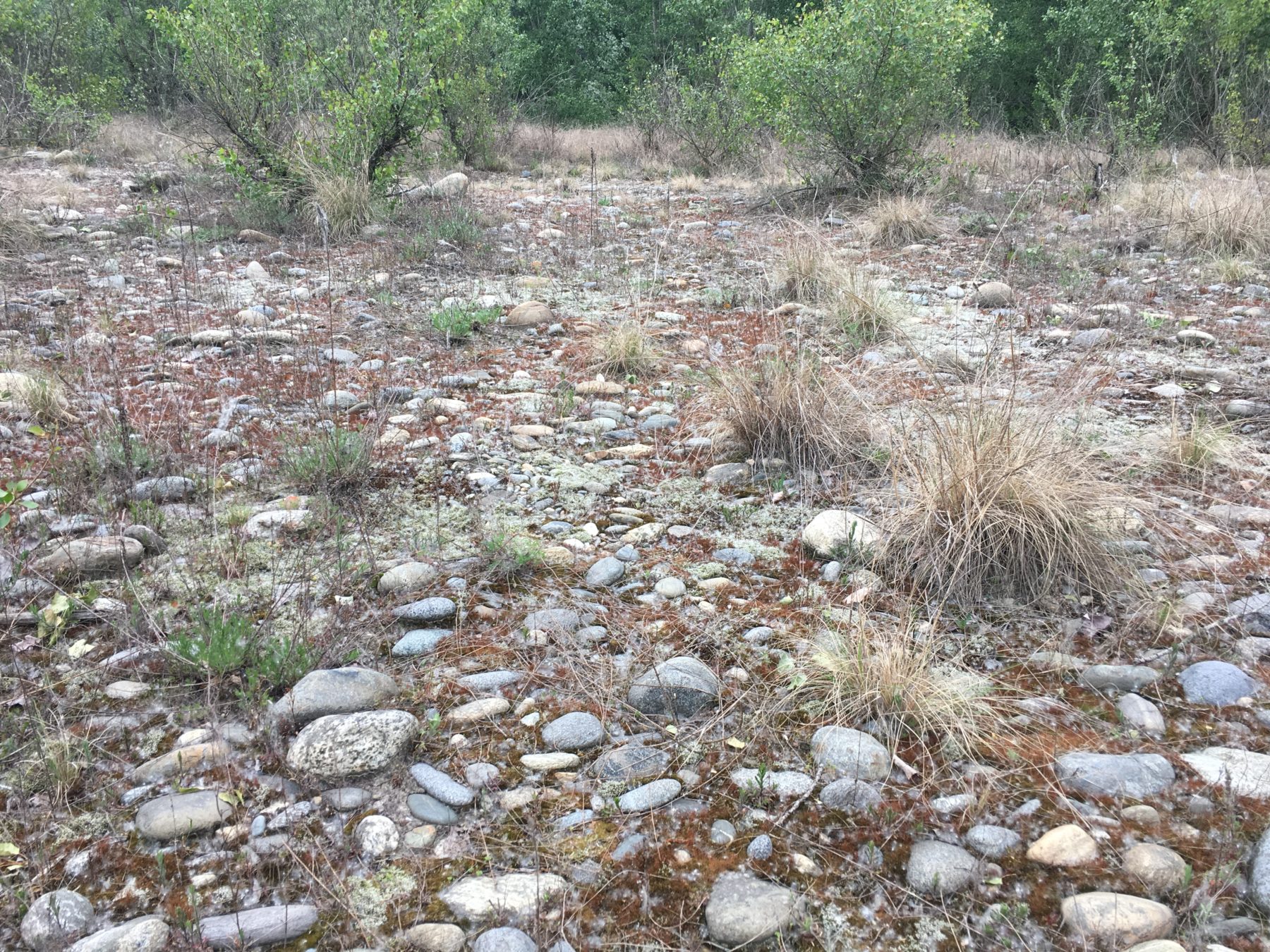
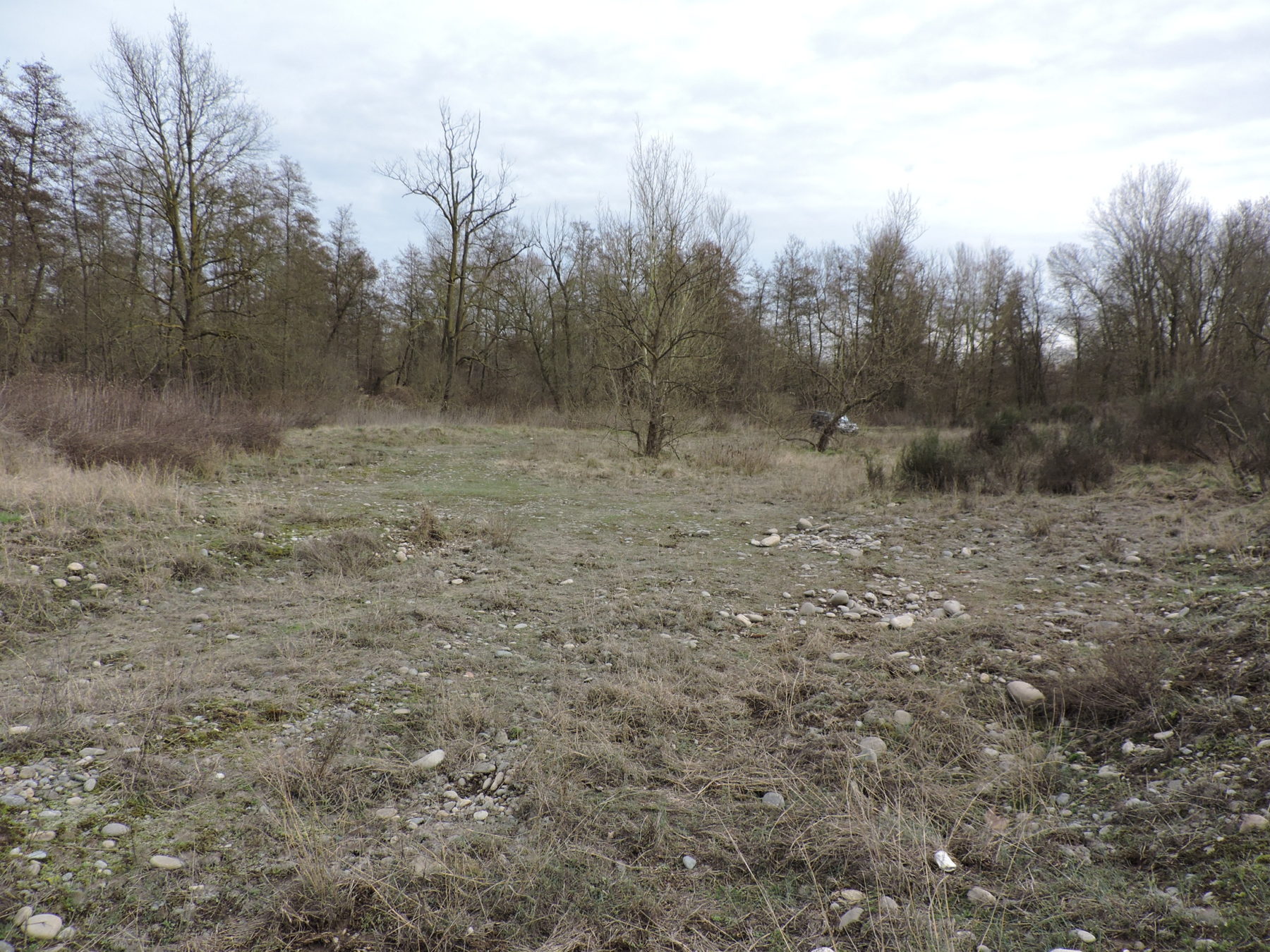
INTERVENTION SITES
LIFE18 NAT/IT/000803
The Drylands project is funded by the LIFE Programme of the European Union

Partners