SAC IT1150001 - Valle del Ticino
SAC IT1150001 - VALLE DEL TICINO
PROTECTED AREA MANAGEMENT AUTHORITY: Management Authority of the Ticino and Lake Maggiore Protected Areas
OTHER PROTECTED AREAS IN THE NATURA 2000 SITE: Ticino Natural Park
TOTAL AREA OF THE NATURA 2000 SITE: 6,597 hectares
HABITAT AREA AFFECTED BY INTERVENTION:
-
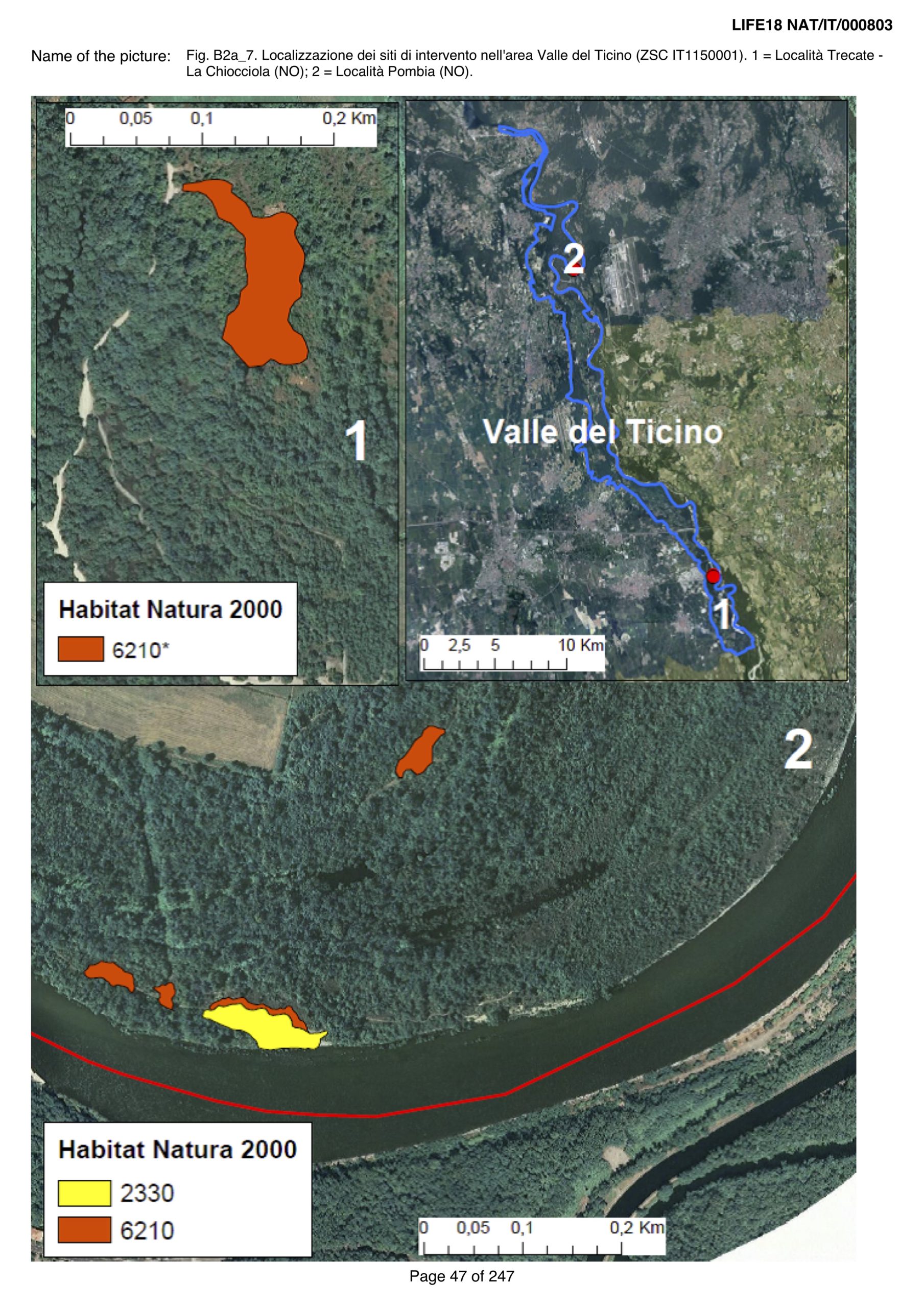
- habitat 2330: 0.29 hectares
- habitat 6210*/6210: 0.92 hectares
MUNICIPALITIES AFFECTED BY THE PROJECT INTERVENTIONS: Pombia (NO) and Trecate (NO)
USES OF THE AREA: most of the SAC territory is located within private property (89%), while a portion is public and belongs to the Park Authority (11%).
DESCRIPTION: he habitats within the SAC are highly diverse and include several environmental typologies typical of the mid-high plains: various types of forests, shrublands and grasslands, and wetlands. Agricultural environments include corn and wheat crops, poplar groves, and hay meadows. The hydrographic network is very rich and includes numerous ditches and irrigation canals, lateral branches of the Ticino River and oxbow lakes.
Over 600 species of vascular plants, 280 fungi, and more than 50 lichens have been recorded within the SAC. Many bird, amphibian, and fish species of Community interest (Birds Directive, Habitats Directive) are also present. The insect fauna is also very rich, with over 580 species.
CONSERVATION STATUS: given the large size of the SAC, the conservation status of the various habitats is variable. In many areas, invasive species are emerging, dominated by exotic trees (Ailanthus altissima, Prunus serotina, Robinia pseudoacacia) or shrubs (Reynoutria japonica) which pose a threat to habitat conservation. The most pioneering and xerophilous habitats – 2330, 6210, and 4030 – are threatened not only by exotic plant species, but also by the influx of native shrubs and woody plants, the negative and highly impactful impact of wild boars (Sus scrofa) and the unauthorized passage of motorized vehicles and livestock (pers. obs.). In aquatic environments, species such as the Louisiana red crayfish (Procambarus clarckii) and the coypu (Myocastor coypus) cause the greatest damage. The SAC as a whole, however, preserves numerous environments characterized by good naturalness and high biodiversity.
IMPORTANCE OF THE PROJECT AREA FOR SPECIES AND BIODIVERSITY CONSERVATION: this site generally presents a great variety and continuity of habitats, corresponding to an even greater richness and diversity of species, both animal and plant.
The proximity to the Ticino River ensures its function as an ecological corridor for the transport of propagules of species typical of the project's target habitats (2330, 6210). The site is one of the few, at the regional and national levels, to host areas of habitat 2330.
The peculiarities of habitat 2330 in the project area include: its location at the southernmost tip of its European distribution range; Its unique vascular flora (which distinguishes it from Habitat 2330 in Central Europe), which includes the coexistence of typically Atlantic-subatlantic species (Corynephorus canescens, Teesdalia nudicaulis), steppe species (Chrysopogon gryllus), mountain orophytes transported by Alpine watercourses (Saponaria ocymoides, Armeria arenaria, Lychnis viscaria), and Mediterranean species (Tuberaria guttata, Psilurus incurvus) and the presence of biological soil crusts, unique to the Po Valley, consisting of distinctive lichen flora and vegetation.
Habitat 2330 has recently been the subject of in-depth studies regarding its lichen flora and vegetation.
At the project site, Habitat 6210 possesses unique characteristics compared to similar habitats in other parts of Italy or the rest of Europe. These factors relate to the siliceous substrate on which they grow and their phytogeographical location in a sub-Mediterranean-sub-Atlantic environment, which determines unique floristic compositions dominated by acidophilic species of the Festuca and Koeleria genera, accompanied by Carex caryophyllea, Dianthus carthusianorum, Sanguisorba minor, Scabiosa columbaria, Fumana procumbens, Anthyllis vulneraria, Silene otites but also Armeria arenaria, Lychnis viscaria, Achillea tomentosa, Jasione montana, Teucrium chamaedrys, Tuberaria guttata, Saponaria ocymoides, Anarrhinum bellidifolium, Linaria pellisseriana, Chrysopogon gryllus, species with sub-Mediterranean-sub-Atlantic, steppe, or mountainous habitats. In this habitat, too, the presence of biological crusts with lichens is important for biodiversity.
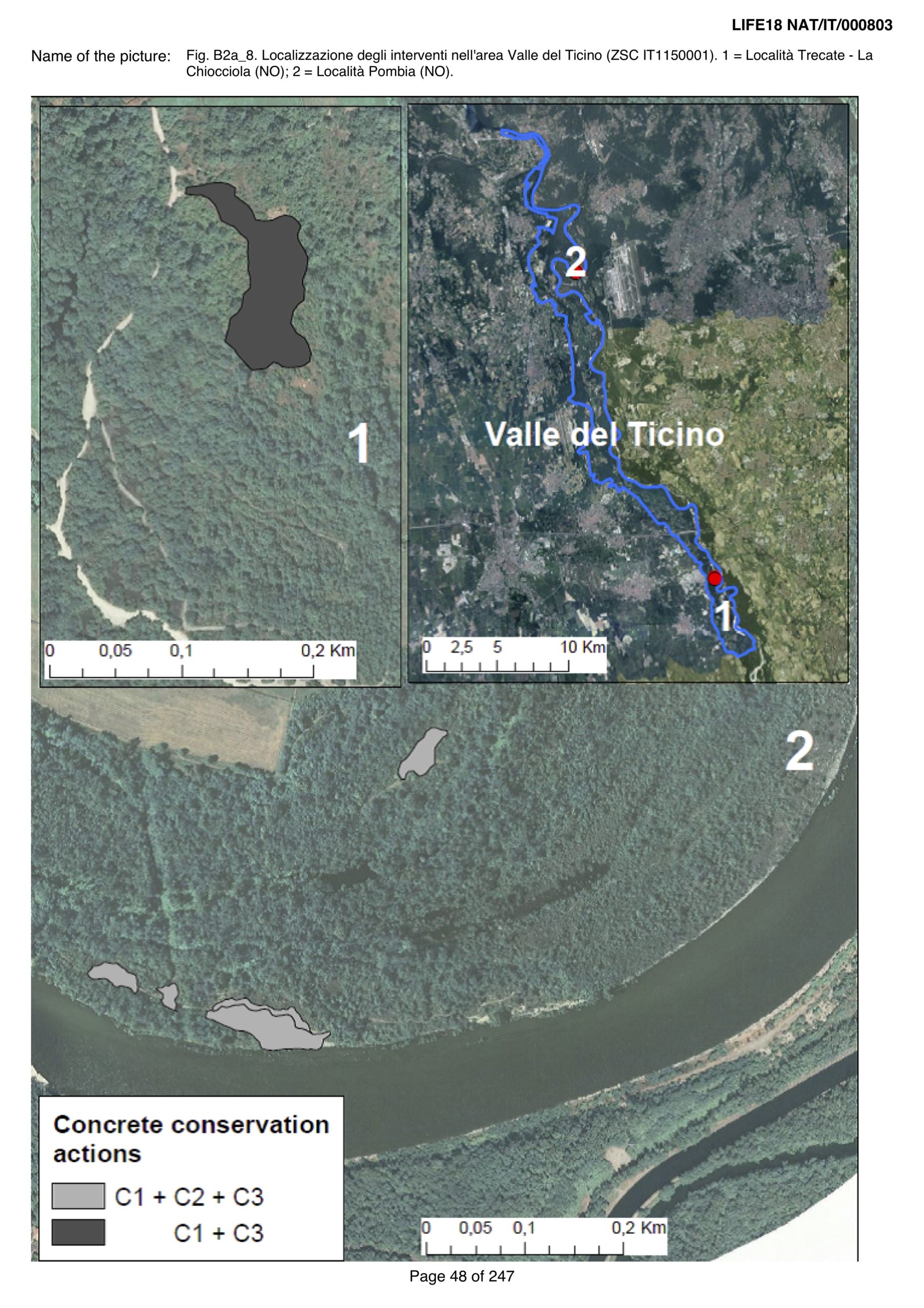
PLANNED ACTIONS: C1 + C2 + C3 = mowing of grasses with removal; cutting of non-native woody plants; sod-cutting, floral improvement. C1 + C3 = mowing of grasses with removal; cutting of native woody plants; sod-cutting; floral improvement - as per fig. B2a_8.
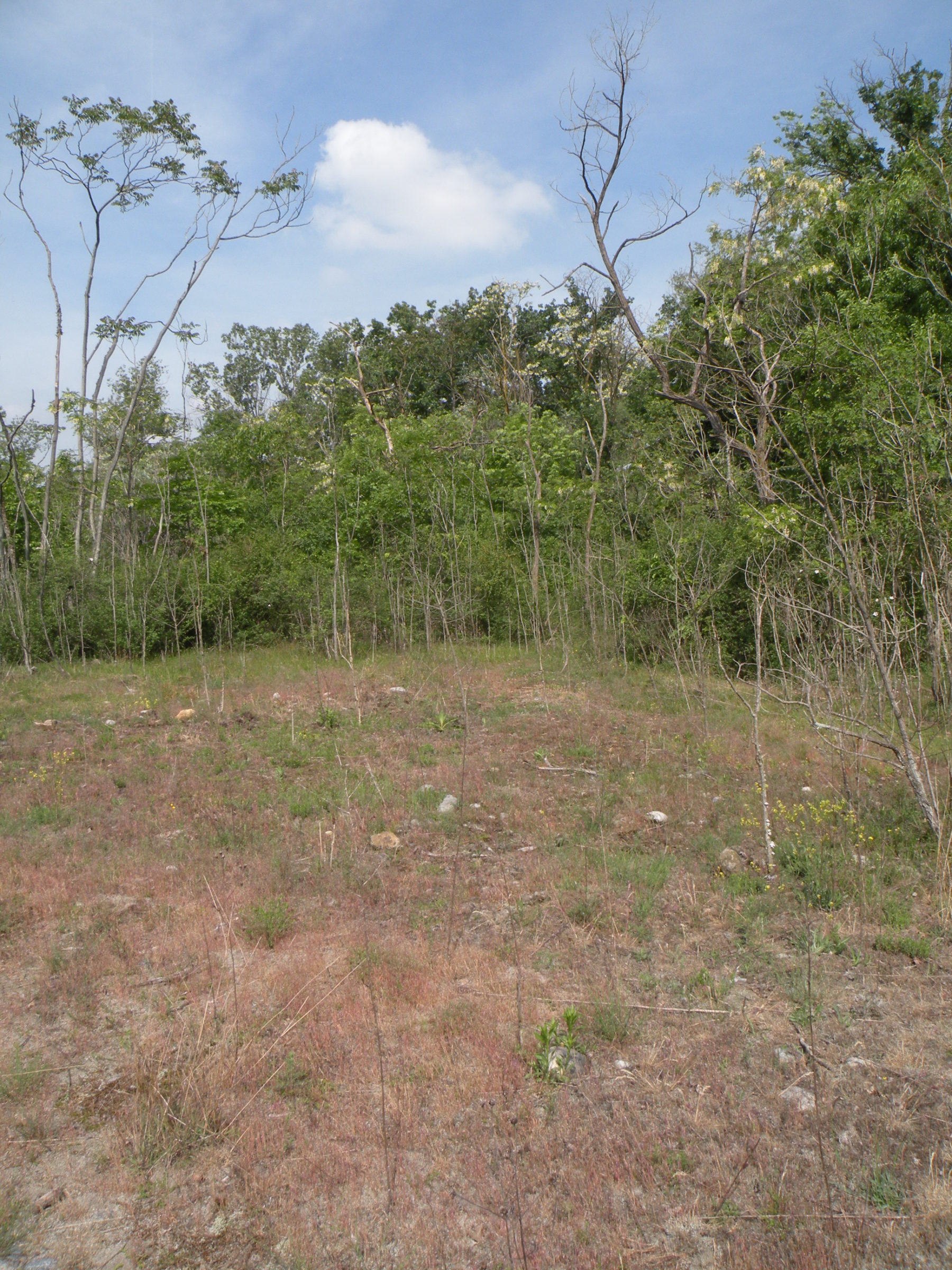
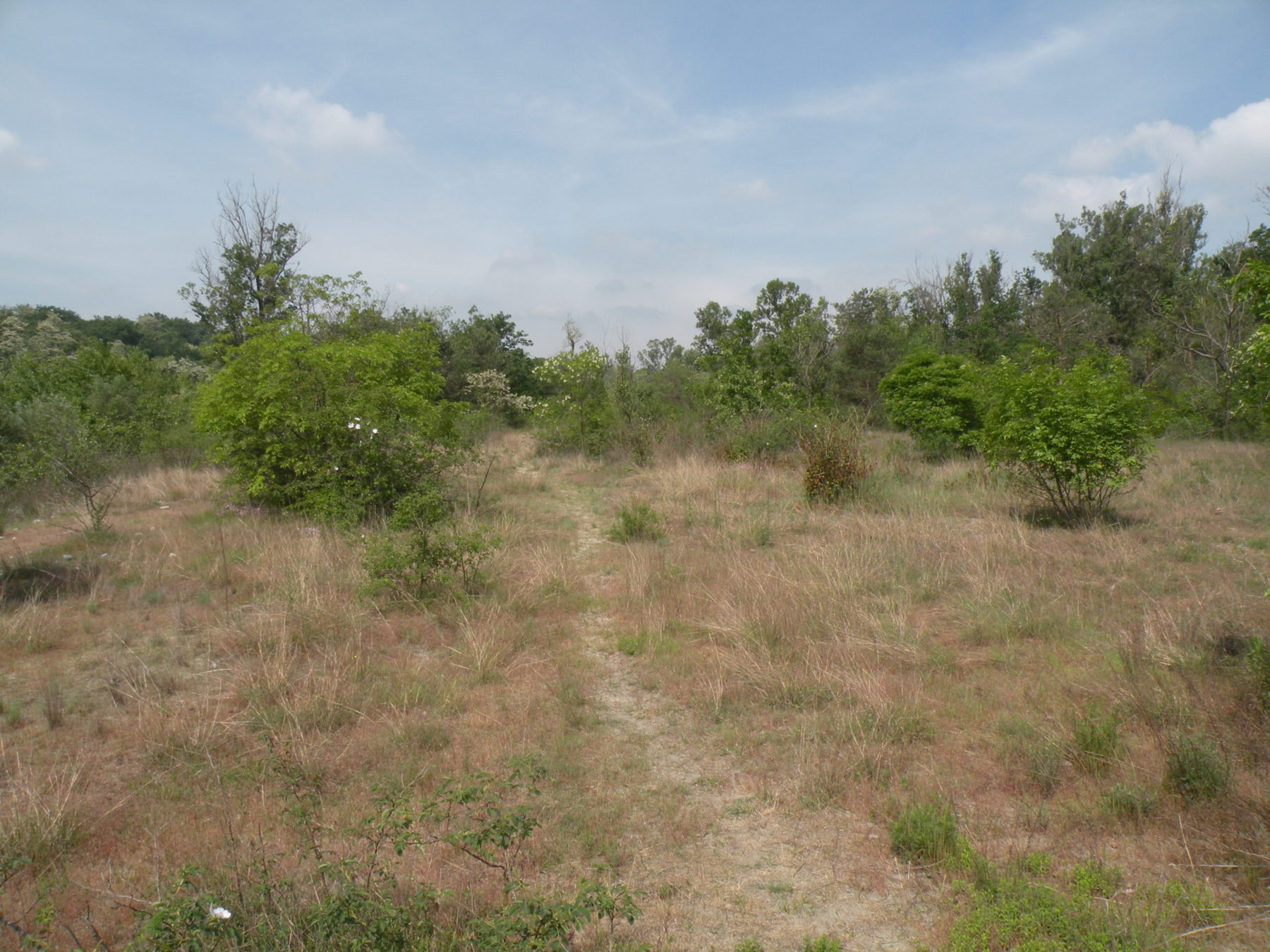
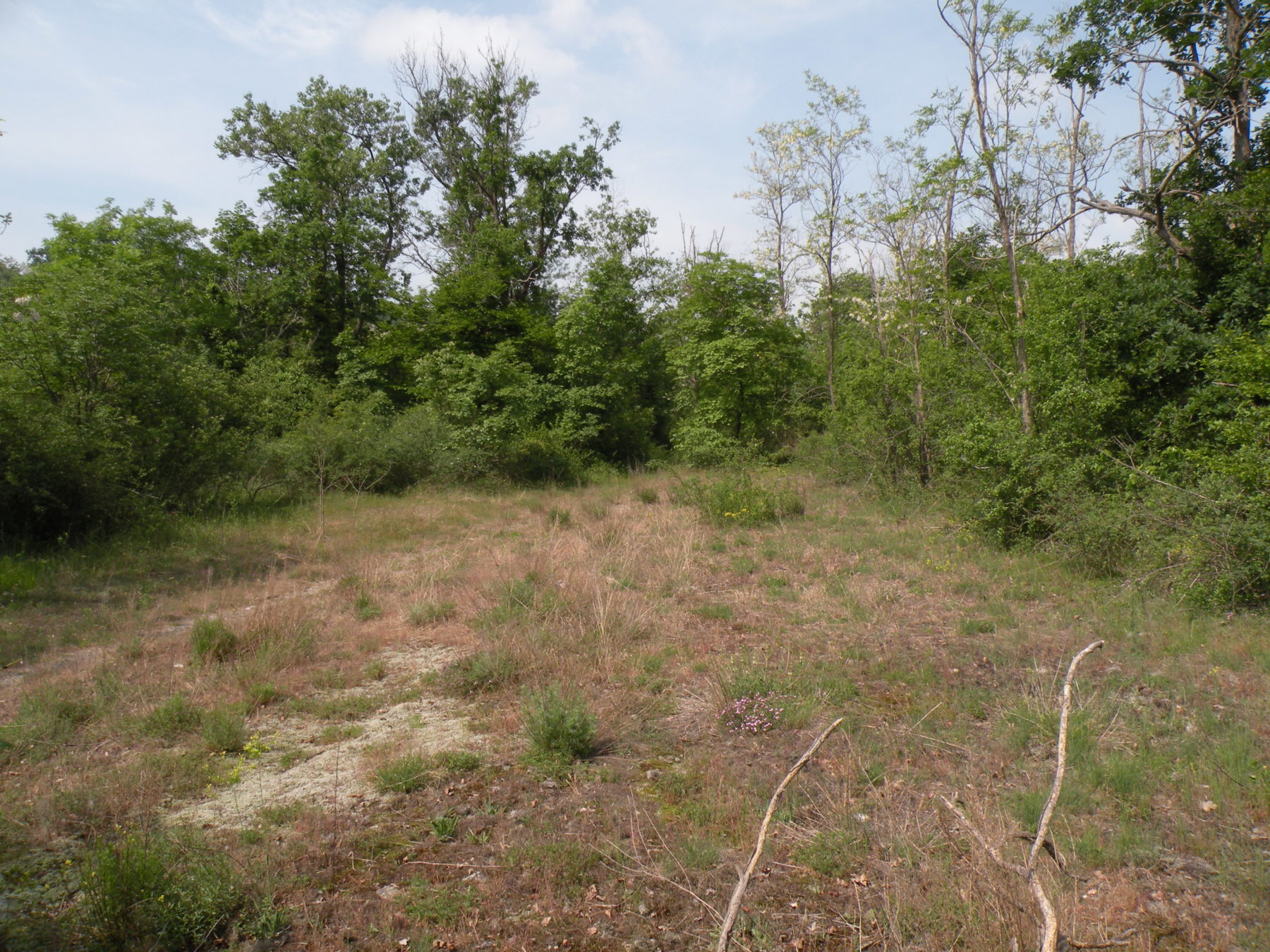
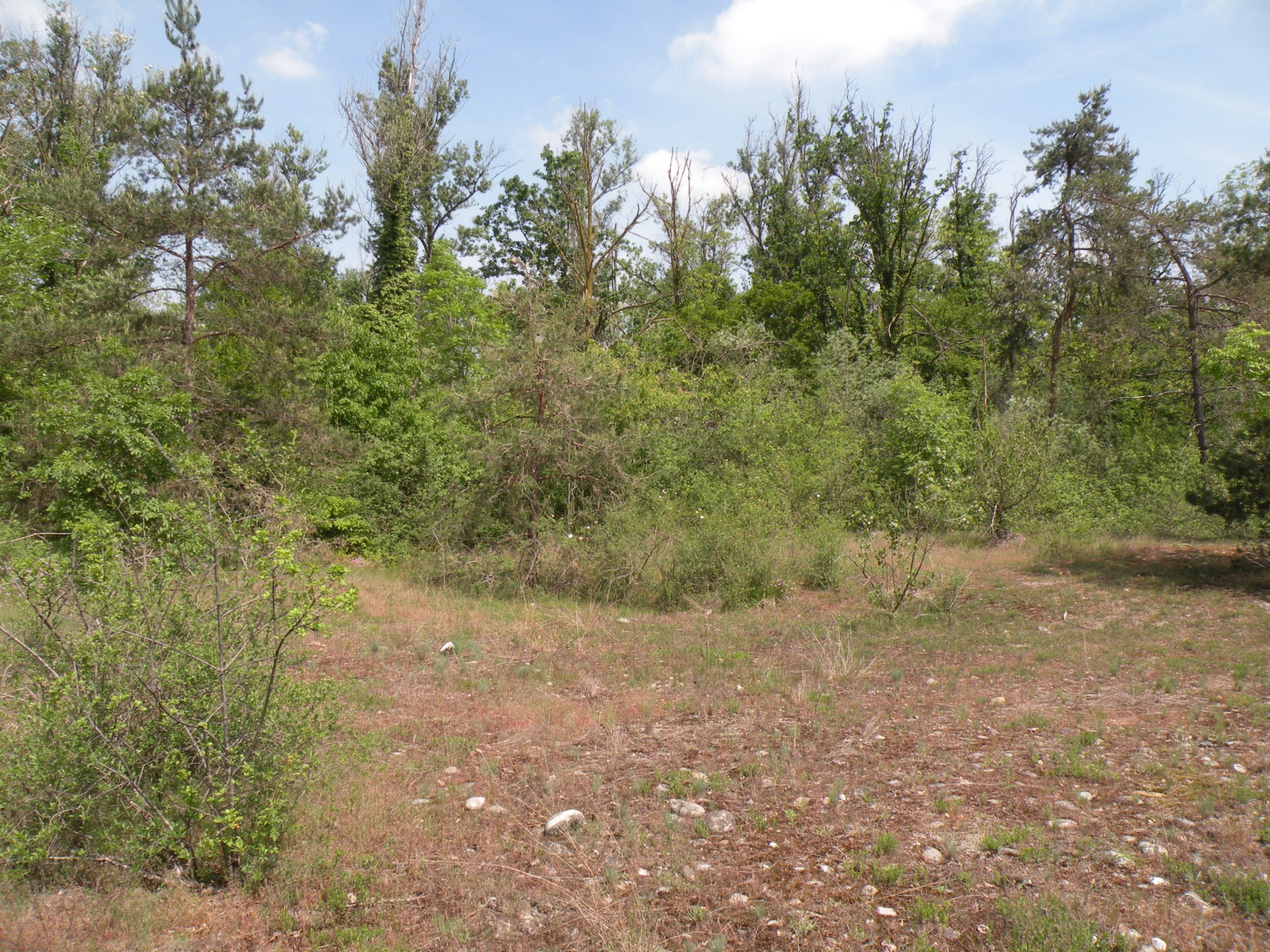
INTERVENTION SITES
LIFE18 NAT/IT/000803
The Drylands project is funded by the LIFE Programme of the European Union

Partners