SAC IT2010013 - Ansa di Castelnovate
SAC IT2010013 -ANSA DI CASTELNOVATE
PROTECTED AREA MANAGEMENT AUTHORITY: Lombardy Ticino Valley Regional Park
OTHER PROTECTED AREAS IN THE NATURA 2000 SITE: Lombardy Ticino Valley Park, Ticino Valley Natural Park, SPA IT2080301 'Boschi del Ticino'
TOTAL AREA OF THE NATURA 2000 SITE: 301,940 hectares
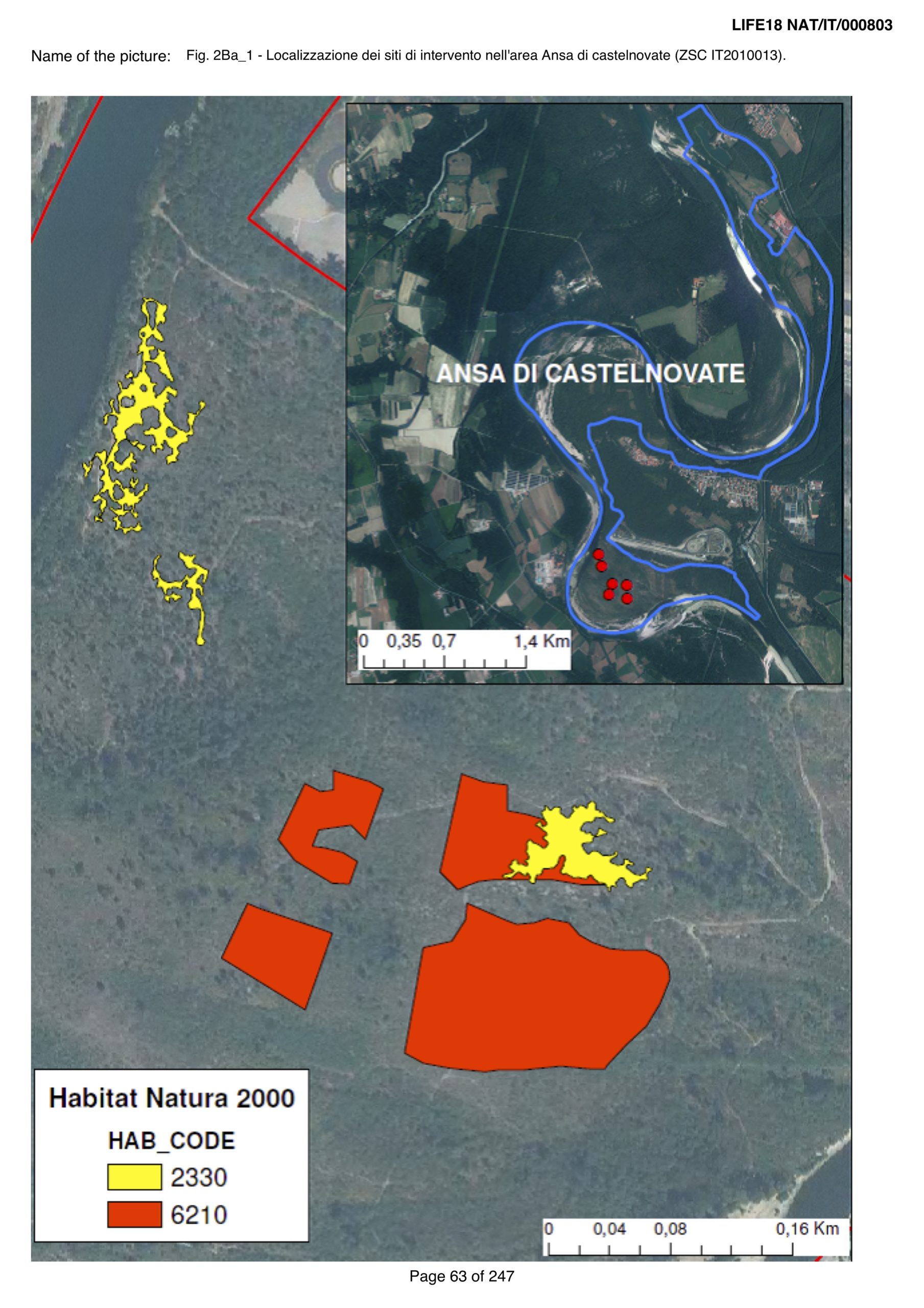
HABITAT AREA AFFECTED BY INTERVENTION:
-
- habitat 2330: 0,67 hectares (of which 0.53 already present and 0.15 newly created)
- habitat 6210: 1,31 hectares
MUNICIPALITIES AFFECTED BY THE PROJECT INTERVENTIONS: Vizzola Ticino (VA)
USES OF THE AREA: part of the SPA is located within private property, while part is public. The standard form does not specify the percentages of the various properties. Within the SAC, 32% of the area is occupied by deciduous broadleaf forests, 31% by inland water bodies, 26% by urban areas and infrastructure, 4% by extensive cereal crops, 3% by wetlands, 2% by drylands, 1% by heathland and shrublands, and another 1% by artificial forests.
DESCRIPTION: most of the SAC is occupied by environments with a good degree of naturalness and good continuity. The habitats include various environmental typologies typical of the upper Lombardy plain: various types of woodlands, xerophilous herbaceous formations, and wetlands.
The woodlands, which overall cover approximately 50% of the SAC's surface, can be divided into three basic types: mixed broadleaf forests dominated by oaks; Hygrophilous forests dominated by black alder, white willow, and poplar; woodlands and scrubland dominated by invasive exotic woody plants (Prunus serotina, Robinia pseudoacacia), whose undergrowth may, however, contain native herbaceous species of regional and/or national conservation interest (e.g., Vinca minor, Oplismenus hirtellus, Ruscus aculeatus, Asparagus tenuifolius, Carex digitata, Polygonatum odoratum, Colchicum alpinum).
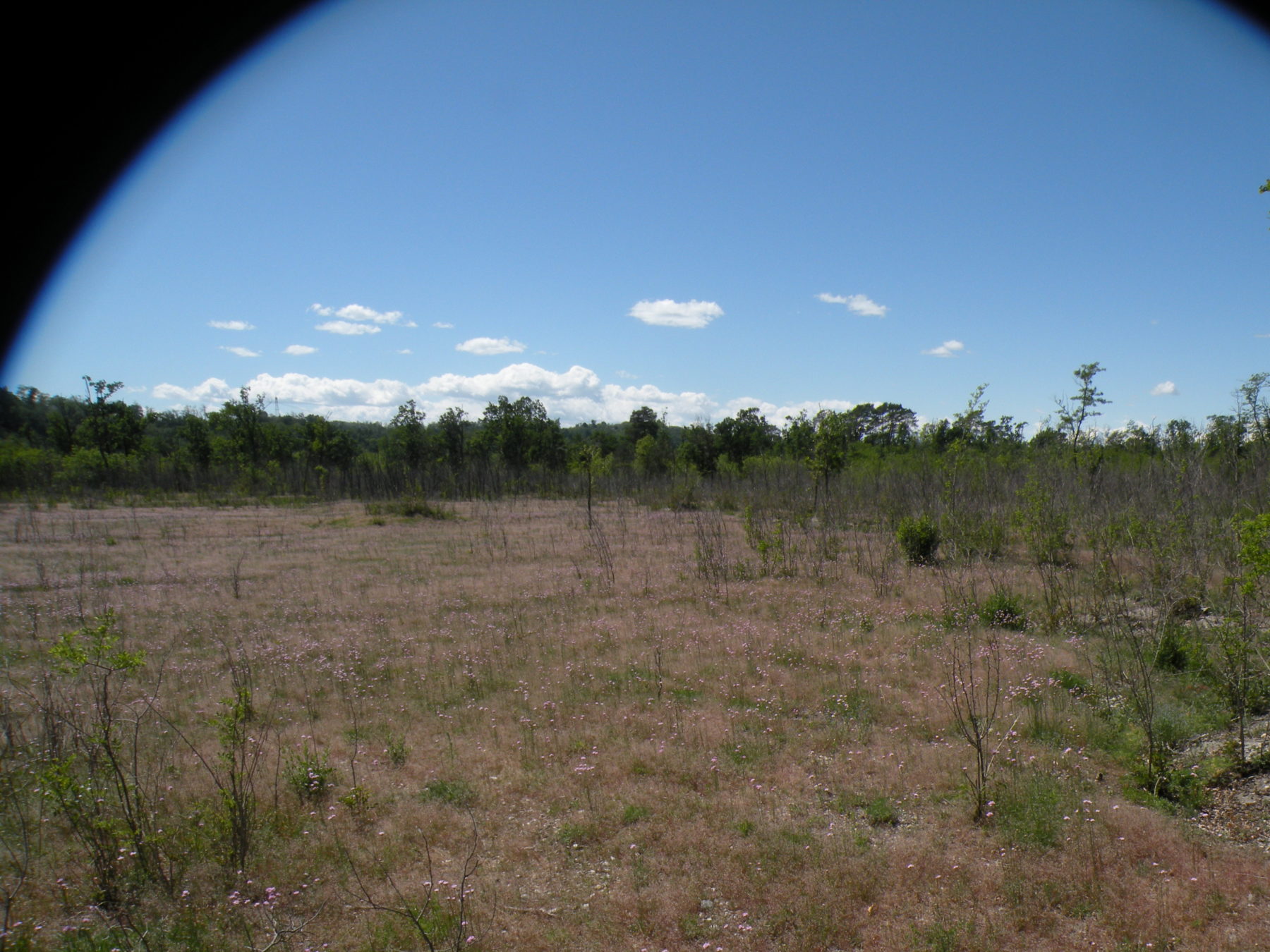
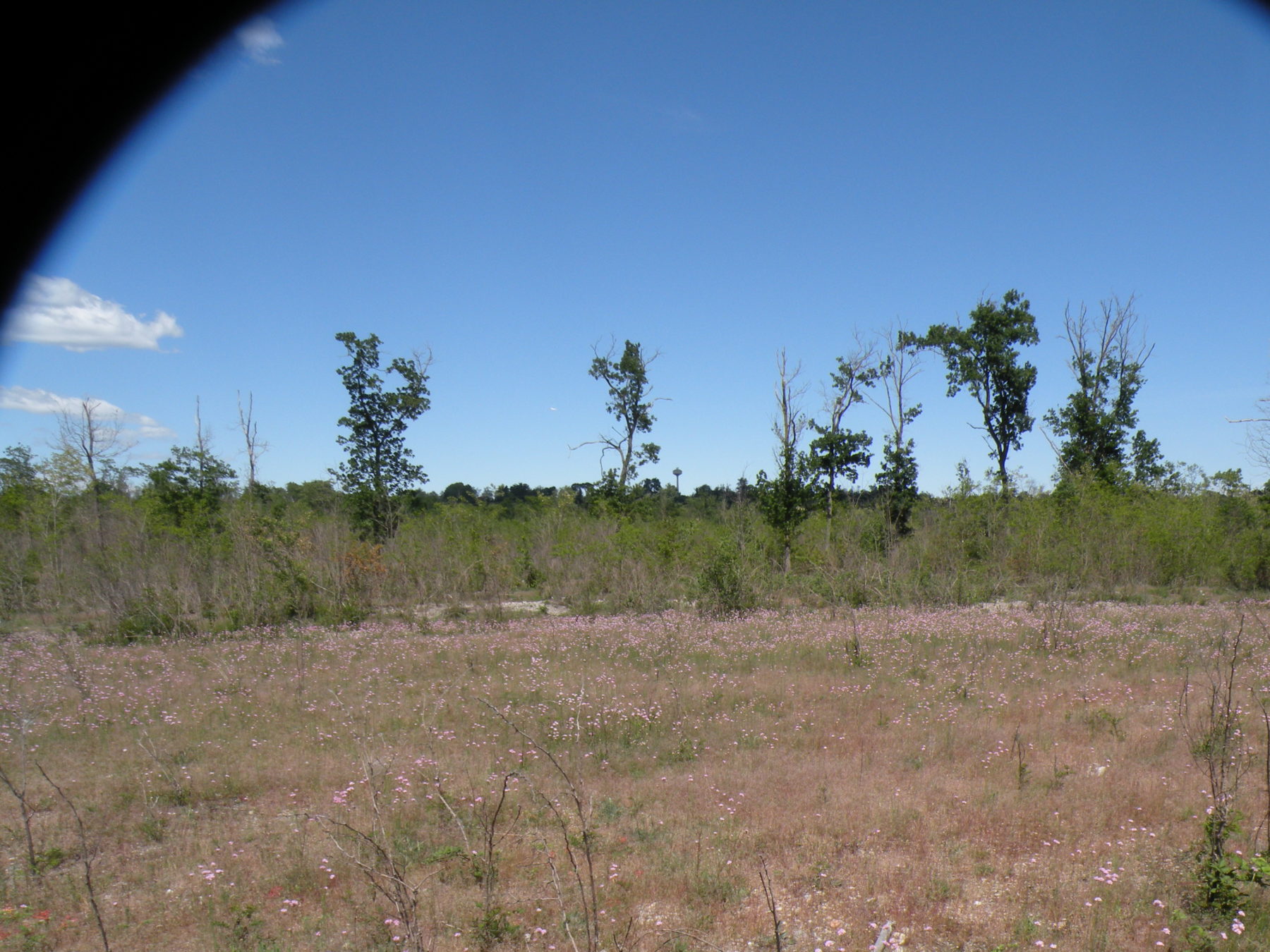
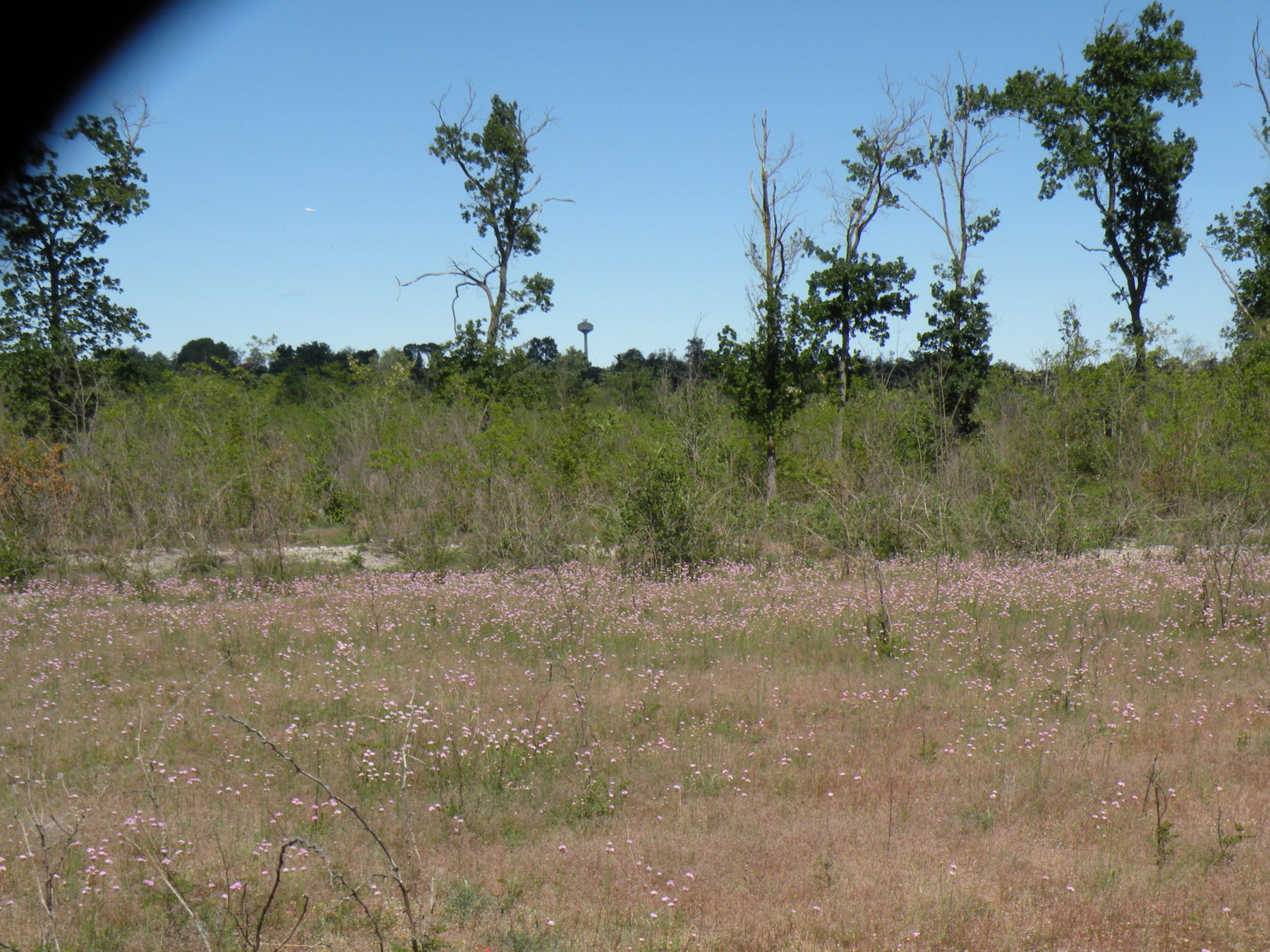
Habitats 2330 and 6210 are located in the southernmost part of the SAC and often form a mosaic; they are very important for hosting cryptogamic biological crusts with lichen species of conservation interest.
Several animal species of Community interest (Birds Directive, Habitats Directive) are present, including birds (Alcedo atthis, Caprimulgus europaeus, Pernis apivorus), amphibians (Rana latastei), fish (Acipenser naccarii, Barbus meridionalis, Barbus plebejus, Cobitis bilineata, Chondrostoma soetta, Cottus gobio, Rutilus pigus, Salmo marmoratus), and insects (Cerambyx cerdo, Graphoderus bilineatus, Lucanus cervus). The dragonfly Oxygastra curtisii (persons' obs.) was also recently discovered in the SAC, listed in Annexes II and IV of the Habitats Directive.
CONSERVATION STATUS: the conservation status of the various habitats is variable. The oak forests appear fairly well preserved in some areas, but are severely impacted by invasive alien woodlands in others. The xerophilous meadows classified as habitats 2330 and 6210 are threatened not only by exotic plant species, but also by the influx of native shrubs and woody plants, and by the negative and highly impactful impact of wild boars (Sus scrofa).
IMPORTANCE OF THE PROJECT AREA FOR SPECIES AND BIODIVERSITY CONSERVATION: the site is highly natural, characterized by paleogravettes of the Ticino River and vegetation affected by the river's flooding. Of considerable scientific interest is the mosaic of vegetation resulting from past and present fluvial dynamics.
The proximity to the Ticino River ensures its function as an ecological corridor for the transport of propagules of species typical of the project's target habitats (2330, 6210).
The site is one of the few, at the regional and national levels, to host areas of Habitat 2330.
The peculiarities of Habitat 2330 in the project area include: its location at the southernmost tip of its European distribution range; its unique floristic composition of vascular species, which includes the coexistence of typically Atlantic-subatlantic species (Corynephorus canescens, Teesdalia nudicaulis), steppe species (Chrysopogon gryllus), mountain orophytes transported by Alpine watercourses (Saponaria ocymoides, Armeria arenaria, Lychnis viscaria), and Mediterranean species (Tuberaria guttata, Psilurus incurvus); and the presence of biological soil crusts, unique in the Po Valley, consisting of distinctive flora and lichen vegetation.
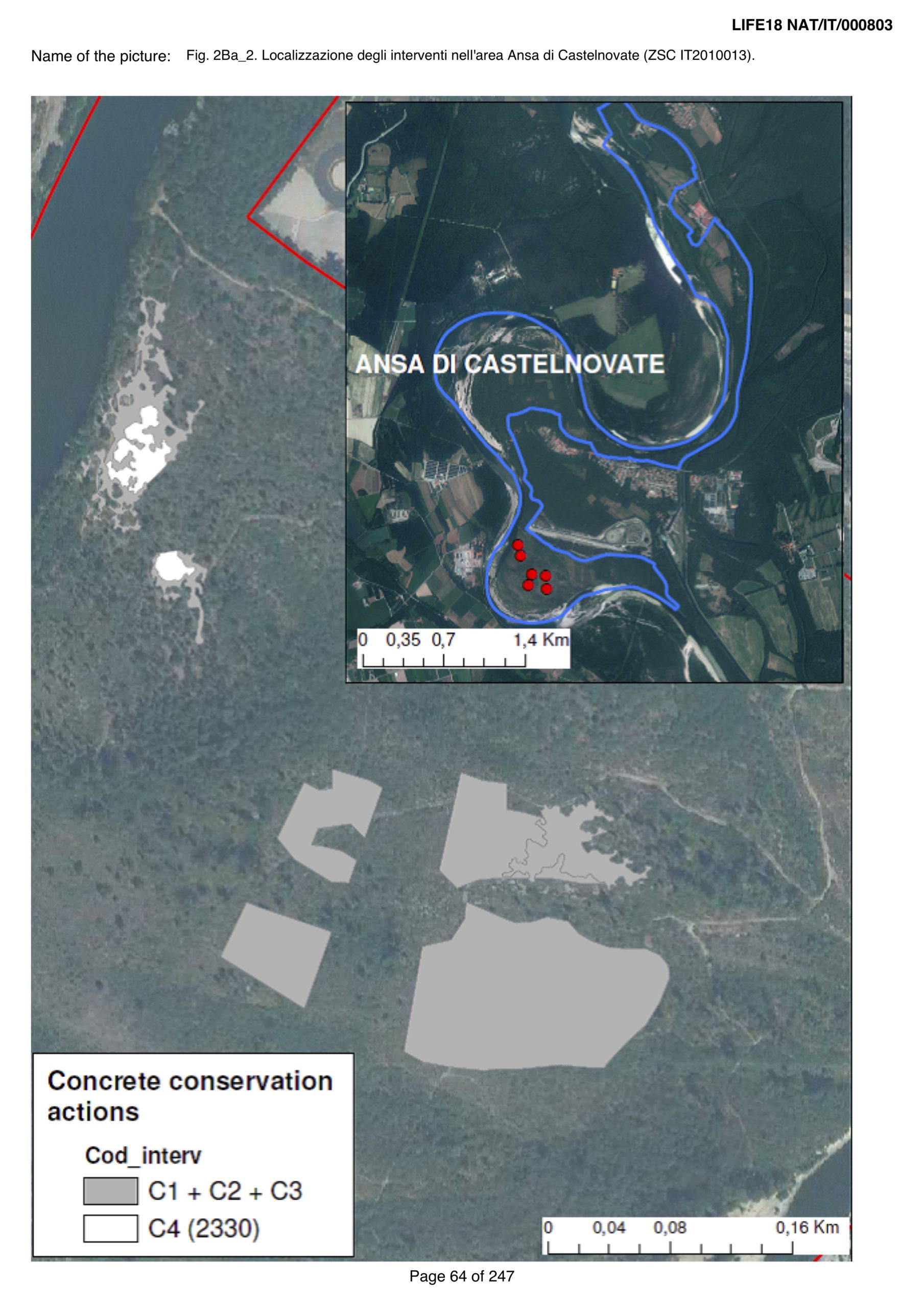
PLANNED ACTIONS: C1 = mowing of herbaceous plants with removal (30% of the patches); cutting of native woody plants, removal of stumps and uprooting of younger individuals (30% of the patches); sod-cutting; dense planting of shrubs in areas of forest ecotone/habitat 6210 or 2330. C2 = cutting of invasive woody plants, removal of stumps and uprooting of younger individuals (55% of the patches). C3 = floristic improvement. C4 = reconstitution of habitat 2330 from scratch.
INTERVENTION SITES
LIFE18 NAT/IT/000803
The Drylands project is funded by the LIFE Programme of the European Union


Partners